Embarking on a Galapagos Islands wildlife tour is not merely a vacation; it is a profound journey into the living heart of natural history. Straddling the equator in the Pacific Ocean, this volcanic archipelago remains one of the few places on Earth where animals display virtually no instinctive fear of humans. For travelers seeking an extraordinary escape into pure ecosystems, our curated exotic tours open the door to pristine landscapes that inspired Charles Darwin's theory of evolution. At Travellab, our travel agency experts handle every detail, transforming a complex expedition into a seamless, unforgettable adventure.
Why the Galapagos Islands Shape Our Understanding of Nature
Located roughly 1,000 kilometers off the coast of Ecuador, the Galapagos archipelago consists of 13 major islands, 6 smaller islands, and dozens of islets. Because these isolated landmasses were never connected to the South American mainland, species arrived entirely by chance—flown in by winds, carried on ocean currents, or washed ashore on rafts of vegetation. Over millions of years, these isolated populations adapted to distinct microclimates and food sources, evolving into entirely unique endemic species found nowhere else on the planet.
When Charles Darwin visited aboard the HMS Beagle in 1835, he noticed subtle variations among mockingbirds, tortoises, and finches from island to island. These observations ultimately seeded his groundbreaking work on natural selection. Today, a Galapagos Islands wildlife tour allows modern naturalists and curious travelers to witness these living evolutionary pathways firsthand. You can watch marine iguanas graze on underwater algae, observe flightless cormorants drying their stunted wings, and stand inches away from giant tortoises that weigh upwards of 400 kilograms.
Planning Your Journey from Baku and Securing Permits
A journey to this remote Pacific sanctuary requires careful logistical planning, beginning with international routing. Travelers typically depart from Heydar Aliyev International Airport in Baku (GYD) connecting through major European hubs like Frankfurt or Madrid, continuing onward to Quito or Guayaquil in Ecuador before taking a short domestic flight to Baltra or San Cristobal. To streamline your travel arrangements, you can easily check optimal global connections and routing options through our comprehensive flight search tool.
Furthermore, Ecuador and the Galapagos National Park enforce strict entry regulations to protect the delicate ecosystem. Visitors must pay a park entrance fee (currently $100 USD for adults) and secure Transit Control Cards prior to departure. As a full-service agency, Travellab assists you with every bureaucratic step, ensuring your documentation is fully compliant. If your multi-stop flight itinerary requires connecting through international transit zones, our specialists can also guide you through any necessary visa service requirements to guarantee a hassle-free departure from Azerbaijan.

Iconic Species to Encounter on Your Expedition
The sheer density and approachability of wildlife here is staggering. During a Galapagos Islands wildlife tour, every island introduces a different cast of characters. On Española Island, you will witness the clumsy yet endearing courtship dances of the waved albatross, a magnificent seabird that spends most of its life flying over the open ocean. Meanwhile, the dramatic cliffs of North Seymour Island serve nesting grounds for magnificent frigatebirds, whose males inflate their scarlet throat pouches to enormous proportions to attract females.
Marine life is equally mesmerizing. Snorkeling in the crystal-clear waters of Gardner Bay or Kicker Rock places you swimming alongside Galapagos sea lions, playful white-tip reef sharks, and inquisitive sea turtles. It is common for a young sea lion to zip past your swim goggles, do a playful loop, and hover just inches away. To ensure you stay in comfortable, eco-certified lodges or boutique properties before and after your yacht excursions, explore the best local accommodations featured in our hotel search database.
Choosing Between Island-Hopping and Cruise-Based Itineraries
Travelers generally choose between two primary styles of exploration: land-based island hopping or booking a multi-day expedition cruise. Cruise-based itineraries allow you to sleep on board a yacht while traveling overnight to remote, uninhabited islands that are entirely inaccessible from land bases. This format maximizes your time observing wildlife at dawn and dusk, when animal activity peaks.
Conversely, land-based stays centered on inhabited islands like Santa Cruz, San Cristobal, or Isabela offer greater flexibility, local dining experiences, and often a lower price point for budget-conscious explorers. You spend your nights in charming coastal towns and take day trips via speedboats to neighboring visitor sites. Whichever travel style aligns with your personal preferences, our team at Travellab can customize the ideal itinerary, matching your pace with expert naturalist guides licensed by the Galapagos National Park.
Understanding the Seasons: When to Visit
The Galapagos Islands offer incredible wildlife viewing year-round, but the experience shifts dramatically depending on the season. From December to May, visitors experience the warm, rainy season. The ocean is calm and warm, making this period ideal for snorkeling and swimming. Underwater visibility is excellent, and terrestrial vegetation flourishes in vibrant greens. This is also the breeding season for land birds, sea turtles nesting on beaches, and marine iguanas displaying bright red and green mating colors.
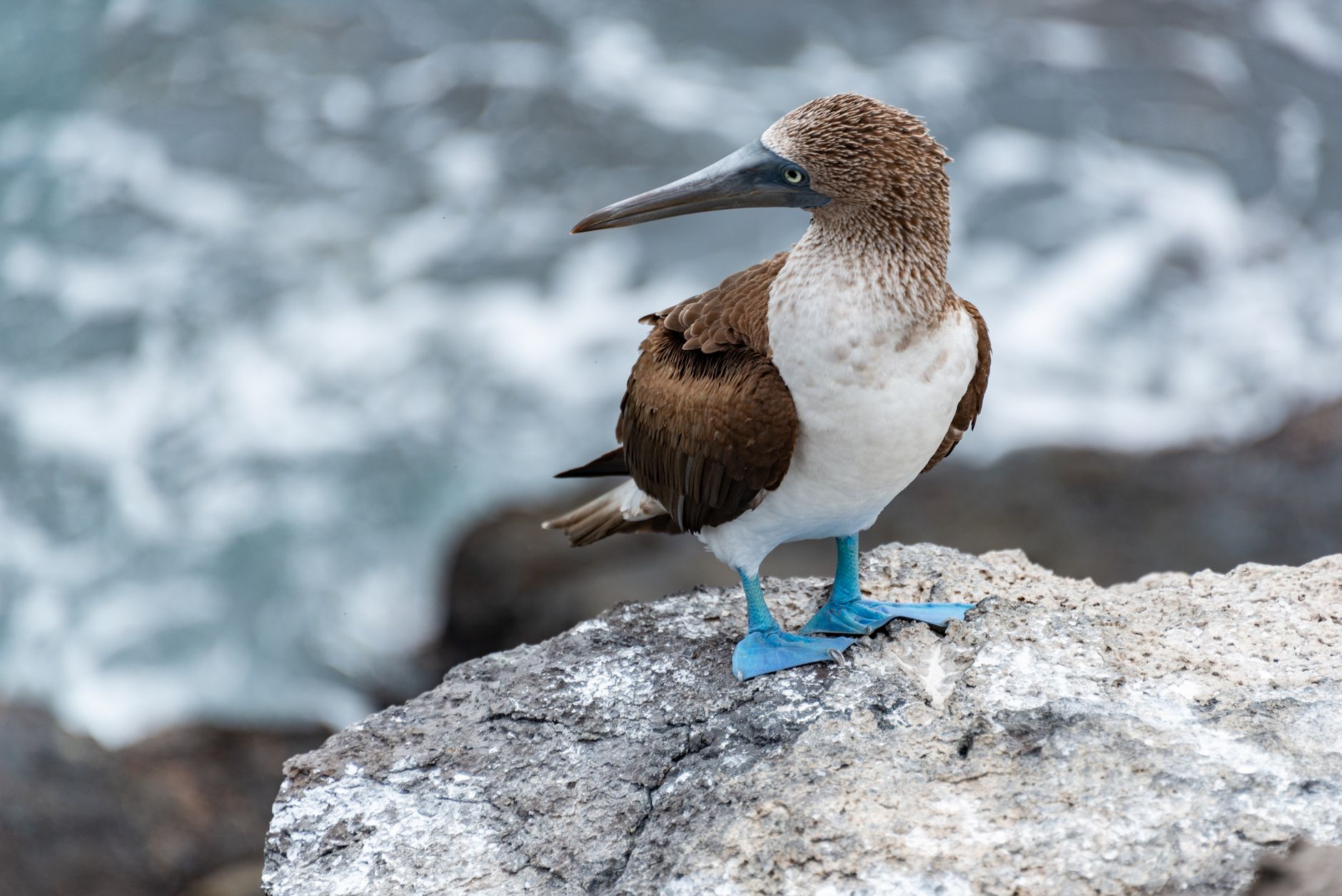
From June to November, the cooler dry season (garúa season) sets in, driven by the Humboldt Current pushing nutrient-rich colder waters up from the south. While air and water temperatures drop slightly, this upwelling triggers an explosion of marine productivity. Plankton blooms draw feeding frenzy events involving seabirds like blue-footed boobies diving en masse, sea lions nursing pups, and migratory whales passing through the channels. Photographers and nature lovers often prefer this cooler window for its active marine life and dramatic overcast skies.
Strict Conservation Rules and Sustainable Travel Ethics
Preserving this fragile biosphere requires strict adherence to environmental guidelines established by the park authority. Every visitor must follow the golden rule: look, photograph, but never touch or feed the wildlife. Visitors are required to maintain a mandatory distance of at least two meters from animals, particularly nesting birds and marine iguanas resting on trails.
Furthermore, stepping off designated trails is strictly prohibited to prevent erosion and protect underground bird burrows and endemic flora. Single-use plastics are heavily restricted across the islands, and footwear is routinely disinfected upon arrival to prevent the introduction of invasive seeds or pathogens. By traveling responsibly with an accredited agency, you contribute directly to the local conservation funds that safeguard these unique evolutionary wonders for future generations.
Begin Your Natural History Expedition with Travellab
A voyage to Darwin's legendary archipelago is a transformative milestone for any dedicated nature lover. From arranging complex intercontinental flights and securing national park permits to designing a bespoke Galapagos Islands wildlife tour tailored to your exact desires, Travellab takes care of every operational detail. Reach out to our Baku-based travel agency today to start designing your dream expedition into the wild.