The lakes of Azerbaijan present an astonishing tapestry of natural wonders, ranging from turquoise alpine basins formed by ancient earthquakes to tranquil forest reserves cradled by emerald slopes. For travelers seeking an antidote to busy city life, these waterways offer fresh mountain breezes, rich biodiversity, and photographic vistas that rival the best European alpine landscapes. Whether you are seeking a serene weekend escape or an immersive ecotourism trek through lush national parks, Azerbaijan's freshwater jewels deserve a top spot on your nature itinerary.
Azerbaijan's unique topography spans nine distinct climate zones, allowing for diverse aquatic ecosystems. Within a few hours' drive from the coast, you can ascend from semi-arid plains into subalpine meadowlands where glacial and tectonic lakes shimmer under open skies. At Travellab, our travel agency focuses on bringing travelers closer to these untouched environments while championing responsible nature observation and low-impact exploration.
Lake Goygol: The Crown Jewel of the Lesser Caucasus
Resting at an altitude of 1,556 meters above sea level on the northern slopes of Mount Kapaz, Lake Goygol is arguably the most famous body of water in the country. The lake came into existence in the twelfth century, precisely in 1139, when a devastating earthquake caused immense limestone slabs from Mount Kapaz to tumble into the Agsu River valley, damming the water and creating a natural reservoir of unmatched clarity.
Encircled by dense forests of Oriental beech, hornbeam, and Caucasian oak, the water of Goygol exhibits a deep turquoise hue that changes shade depending on sunlight and cloud cover. The surrounding Goygol National Park serves as a protected sanctuary for the rare Lake trout (*Salmo trutta lacustris*), roe deer, and brown bears. While swimming is strictly prohibited to preserve this fragile ecosystem, walking along the designated wooden promenades provides panoramic vistas that reward quiet contemplation.
Goygol is located roughly 45 kilometers south of Ganja, the second-largest city in Azerbaijan. Travelers visiting from the capital can land at Heydar Aliyev International Airport in Baku, transfer via highway or domestic rail to Ganja, and settle into comfortable regional lodging. You can easily browse suitable rural retreats or city bases through our curated hotel search to plan an easy morning departure into the park.
Maralgol: An Alpine Sanctuary Under Mount Kapaz
Located deeper within Goygol National Park at an elevation of 1,910 meters, Lake Maralgol feels wilder, more remote, and significantly more atmospheric than its sister lake below. Created during the very same seismic event that formed Goygol, Maralgol is bordered by subalpine meadows that burst into colorful wildflower blooms throughout late spring and early summer.
To reach Maralgol, private vehicles are held at an ecological checkpoint near Goygol. Visitors board authorized park shuttle minibuses that wind upwards through steep, forested switchbacks. Upon reaching the drop-off point, an ascent of roughly 260 stone steps brings you to the water's edge. The reward is a breathtaking vantage point where Mount Kapaz reflects completely across the mirror-calm surface, unbroken by human infrastructure.
Because high altitudes introduce unpredictable weather patterns, summer mornings remain the best time to visit Maralgol. By late afternoon, mountain mists frequently roll over the ridges, wrapping the waters in an ethereal fog. Take time to sit along the natural stone perches, watch water birds skim across the alpine surface, and breathe in clean, pine-scented air.
Lake Nohur: Forest Serenity and Accessible Escapes in Gabala
Nestled in the foothills of the Greater Caucasus just outside the town of Gabala, Lake Nohur (Nohurgol) is one of the country's most beloved recreational nature spots. Surrounded by forested ridges that turn fiery red and gold during autumn, this artificial mountain reservoir has evolved over decades into a flourishing wetland habitat for waterfowl and local fish populations.
Unlike the strictly preserved nature reserves of the Lesser Caucasus, Nohur offers low-impact recreational activities for families and leisurely travelers. Visitors can rent manual pedal boats or small catamarans to glide across the water quietly, absorbing views of the snow-dusted peaks in the distance. The eastern and southern banks feature paved nature trails where travelers can take long walks under the canopy of deciduous trees.
Because Gabala is situated only three to four hours by car from Baku, Lake Nohur fits smoothly into weekend itineraries. Many travelers combine an afternoon here with visits to the nearby Yeddi Gozel (Seven Beauties) waterfalls. If you prefer a seamless, pre-organized journey with expert transportation and guides, check out our customized tour packages that connect Gabala's natural wonders into a single comprehensive trip.

Lake Batabat: Floating Peat Islands in Nakhchivan
Tucked away in the Shahbuz district of the Nakhchivan Autonomous Republic, Lake Batabat is one of the most ecologically peculiar bodies of water in the entire South Caucasus. Sitting at an altitude of approximately 2,113 meters in the Zangezur mountain range, Batabat is celebrated for its floating peat islands—natural mats of vegetation and compressed organic turf that drift across the surface driven by mountain currents.
The landscape surrounding Batabat consists of high-elevation meadows carpeted in medicinal herbs, wild clover, and yellow irises during June and July. Clean freshwater springs, notably the mineral-rich Zor Spring, feed into the basin, providing crisp, carbonated mountain drinking water that locals have revered for centuries. The clarity of the air at this altitude allows for remarkable visibility across the craggy peaks.
Reaching Nakhchivan requires a brief domestic flight from Baku's GYD airport. Once on the ground, a drive of about an hour and a half brings you to this alpine haven. Batabat remains relatively uncrowded, making it an extraordinary destination for landscape photographers and travelers drawn to botanical oddities.
Lake Garanohur: The Hidden Wilderness of Ismayilli
For travelers who crave off-the-beaten-path ecotourism, Lake Garanohur delivers an authentic wilderness experience. Hidden inside the dense woodlands of Shahdag National Park near the village of Talistan in Ismayilli, this secluded body of water sits at an elevation of 1,520 meters. It is inaccessible by ordinary passenger cars, preserving its pristine character against mass tourism.
Reaching Garanohur requires either a sturdy four-wheel-drive vehicle to navigate rugged mud trails or, ideally, a rewarding four-to-five-kilometer uphill hike through ancient beech and chestnut forests. The trek demands moderate physical fitness, as the forest path climbs continuously along shaded ravines. The final approach opens up suddenly onto a quiet, secluded lake framed by sheer slopes and towering canopies.
Garanohur is especially magical in mid-autumn, typically around mid-to-late October, when the surrounding deciduous forest ignites with vibrant orange, amber, and deep crimson foliage. The stillness here is profound, broken only by birdsong and rustling leaves. Pack your own drinking water, trail snacks, and sturdy trekking boots, as there are zero commercial facilities at the lakeside.
Chenlibel Lake: Quiet Shores and Pine Groves in Quba
Located in the northern district of Quba, near the village of Nugadi, Chenlibel Lake (Canlibel) is an idyllic, peaceful body of water popular among nature lovers seeking solitude. Formed primarily as an agricultural reservoir, the lake has blended seamlessly into its natural surroundings over the decades, bordered by fragrant evergreen groves and rolling apple orchards.
Chenlibel is best enjoyed during early morning hours when a thin layer of vapor drifts above the chilled mountain water. Small rustic wooden jetties extend out from the grassy shoreline, providing quiet perches for birdwatching or sipping local samovar tea brewed over wild thyme. The lake is far less commercialized than other northern stops, offering a relaxing setting for an afternoon picnic.
The region surrounding Quba also acts as a gateway to historic mountain villages like Khinalig and Griz. Incorporating Chenlibel as a relaxing rest stop before ascending to higher alpine settlements provides the perfect balance between tranquil waterside leisure and cultural immersion.
Exploring the Alpine Lakes of Azerbaijan Responsibly
The alpine lakes of Azerbaijan belong to sensitive ecosystems that require conscientious stewardship from every visitor. National parks like Goygol and Shahdag enforce strict Leave No Trace rules, meaning all personal trash must be carried back out, campfires are strictly restricted to designated picnic zones, and washing dishes or swimming in pristine freshwater reservoirs is barred to protect indigenous wildlife.
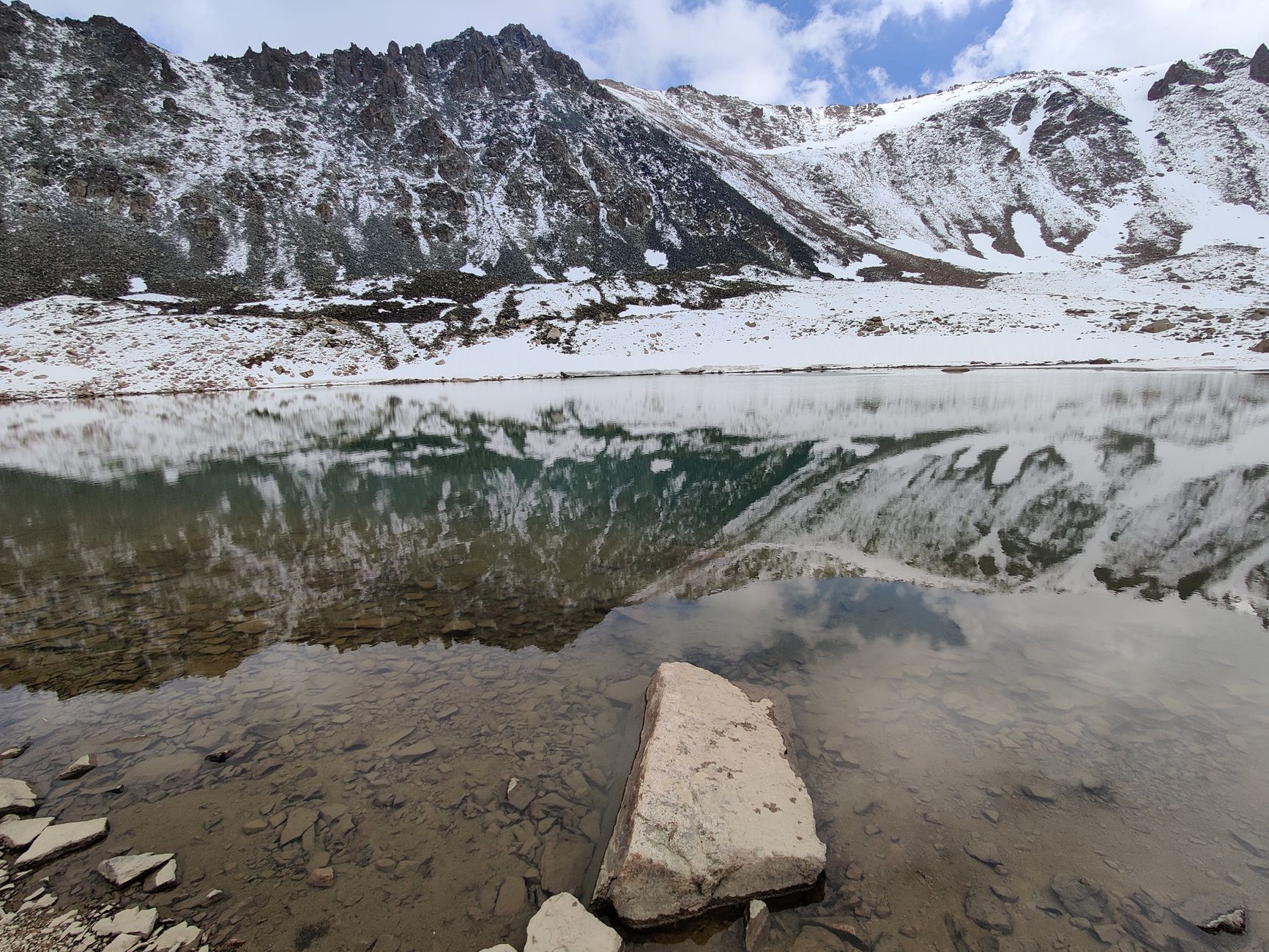
When hiking near sensitive shoreline flora, always stick to marked trails to prevent soil erosion. Shorelines are primary nesting grounds for amphibians and mountain waterfowl, and cutting switchbacks degrades the delicate alpine turf. By keeping group noise down and leaving the landscape undisturbed, you protect the natural equilibrium for local communities and future explorers.
If you wish to delve into remote mountainous zones without the stress of navigating complicated logistics, joining organized group tours guarantees professional local guides who know park regulations intimately and help manage wilderness safety seamlessly.
Best Seasons to Visit the Lakes of Azerbaijan
Because Azerbaijan experiences pronounced seasonal shifts, timing your trip determines what kind of nature scenery you will encounter. Each season lends a distinct character to the country's aquatic destinations:
Spring (May to June): This is the prime season for lush greenery and dramatic water levels fed by melting mountain snowpack. The meadows surrounding Maralgol and Batabat erupt with wild flora, and daytime temperatures remain comfortable for vigorous hillside hiking, though light rain showers are frequent.
Summer (July to August): While lowland cities experience strong summer heat exceeding 35°C, high-altitude lakes offer cool, invigorating microclimates rarely climbing past 22°C to 24°C. It is the peak season for exploring high-altitude trails, though popular spots like Goygol and Nohur experience higher weekend crowds.
Autumn (September to late October): For many seasoned travelers, autumn is the ultimate time to discover forest-bordered lakes such as Garanohur, Goygol, and Nohur. The foliage displays spectacular golds and bronzes, the air is crisp, and tourist volumes drop sharply. Early morning frost begins by November, signaling the onset of mountain closures.
Essential Packing and Logistics for Lakeside Nature Trails
A successful excursion into Azerbaijan's mountain areas requires thoughtful preparation. Mountain weather can turn rapidly from brilliant sunshine to brisk winds or torrential rain in less than thirty minutes. Prioritize layering with moisture-wicking synthetic fabrics, a breathable fleece, and a packable windproof and waterproof outer jacket.
Footwear is equally important. Even on well-trodden paths around Goygol or Chenlibel, wet stones and muddy inclinations can present slipping hazards. Sturdy, broken-in trail shoes or lightweight hiking boots with deep tread are far superior to city sneakers. Do not forget UV protection—high altitude amplifies sun intensity, making polarized sunglasses, high-SPF sunscreen, and a brimmed hat indispensable.
Lastly, carry sufficient local currency (Azerbaijani Manat, AZN) in small denominations. While ticket booths at the entrances of Goygol National Park increasingly take card payments, small tea houses, rural shuttles, and village markets near remote hiking paths often rely strictly on cash.
Plan Your Lakeside Escape with Travellab
From the mirror-smooth waters of Maralgol to the mystical floating turf of Lake Batabat, the waterways of Azerbaijan showcase the raw, untamed beauty of the Caucasus region. Visiting these destinations lets you experience pristine air, ancient forests, and geological marvels that few international travelers have yet discovered.
As a dedicated Baku-based travel agency, the team about Travellab crafts personalized travel routes tailored to your schedule, physical comfort, and aesthetic interests. Whether you need reliable 4x4 mountain transportation, boutique forest hotel reservations, or knowledgeable local naturalists to guide your path, we take care of every detail so you can focus on the journey. Contact our travel advisors today to map out your custom nature getaway through the magnificent landscapes of Azerbaijan.