Few travel experiences rival the sensation of soaking in natural hot springs surrounded by untouched wilderness. Deep within the Earth's crust, subterranean water superheats, absorbs therapeutic minerals, and pushes upward through fissures into tranquil rivers, secluded rock basins, and cascading limestone terraces. For travelers yearning to step away from crowded resorts and reconnect with raw landscapes, thermal routes offer the ultimate blend of ecotourism and physical rejuvenation. Immersing yourself in warm, mineral-dense water while crisp mountain air cools your face turns scenic exploration into a deeply restorative ritual.
The Geological Magic and Healing Power of Natural Hot Springs
Geothermal springs emerge predominantly in regions marked by volcanic activity or tectonic fault lines. Rainwater and snowmelt seep miles beneath the surface, where molten rock or deep geothermal gradients heat it past boiling temperatures. As the water builds pressure and rises, it dissolves surrounding bedrock, becoming heavily saturated with sulfur, calcium, magnesium, lithium, and silica. Each geological basin produces a unique mineral profile tailored by nature to soothe tense muscles, alleviate joint stiffness, and nourish the skin.
Beyond the physical benefits, bathing in natural hot springs fosters a profound mental pause. Hydrotherapy combined with forest views, rustling canopies, and birdsong triggers parasympathetic nervous system responses, lowering cortisol levels far more effectively than artificial spas. Stepping into a steaming basin set against panoramic peaks or verdant gorges reminds us that nature provides the most sophisticated remedies without any human intervention.
Pamukkale and Aegean Valleys: Turkey's Travertine Terraces
Perched above the plains of Denizli in southwestern Turkey, the gleaming white limestone shelves of Pamukkale remain one of the planet's most striking geological monuments. Over millennia, thermal springs saturated with calcium bicarbonate cascaded down the cliffside, leaving behind petrified waterfalls and chalk-white terraces filled with translucent turquoise pools. The thermal water stays comfortably warm year-round at roughly 35°C to 38°C, creating a soothing sanctuary where visitors walk barefoot along designated travertine paths to preserve the fragile mineral formations.
Reaching this UNESCO World Heritage marvel from Baku is remarkably seamless. Travelers can take advantage of convenient flights departing Heydar Aliyev International Airport (GYD) to Istanbul or Izmir, followed by a scenic overland journey through rolling olive groves and vineyard-dotted hills. At Travellab, our travel designers frequently craft curated Turkey packages that balance the geological splendor of Pamukkale with peaceful rural hideaways in the nearby Aegean countryside.
The Wild Thermal River of Reykjadalur, Iceland
For hikers who prefer wild water unconstrained by tiles or barriers, Iceland's Reykjadalur Valley represents the holy grail of geothermal trekking. Located near the small town of Hveragerði, just 45 minutes east of Reykjavik, the trail winds approximately three kilometers through undulating volcanic hills, past steaming fumaroles, bubbling mud pots, and sulfur vents smelling faintly of the planet's inner engine.
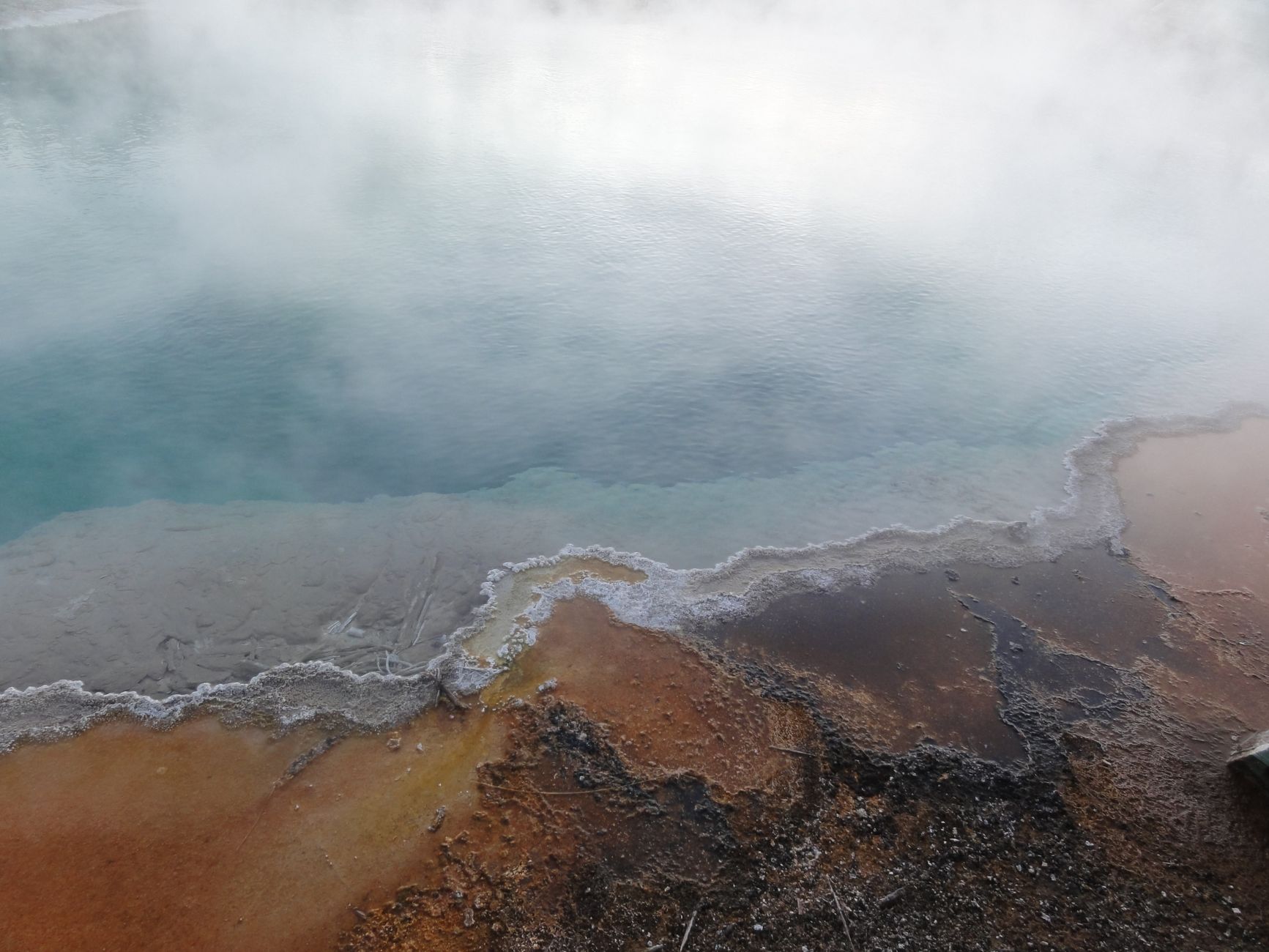
The true reward lies at the end of the valley: a rushing alpine stream fed directly by boiling underground springs. Upstream, the water can scald, while downstream it mixes with frigid runoff. By walking along the wooden boardwalks and wading into the gravelly riverbed, you can find the exact pocket where the water temperature sits at an idyllic 38°C to 40°C. Sitting submerged on smooth river stones while cool Arctic winds sweep across mossy lava fields offers an unforgettable immersion in untamed nature.
Tuscany's Forest Fumaroles: Italian Natural Hot Springs
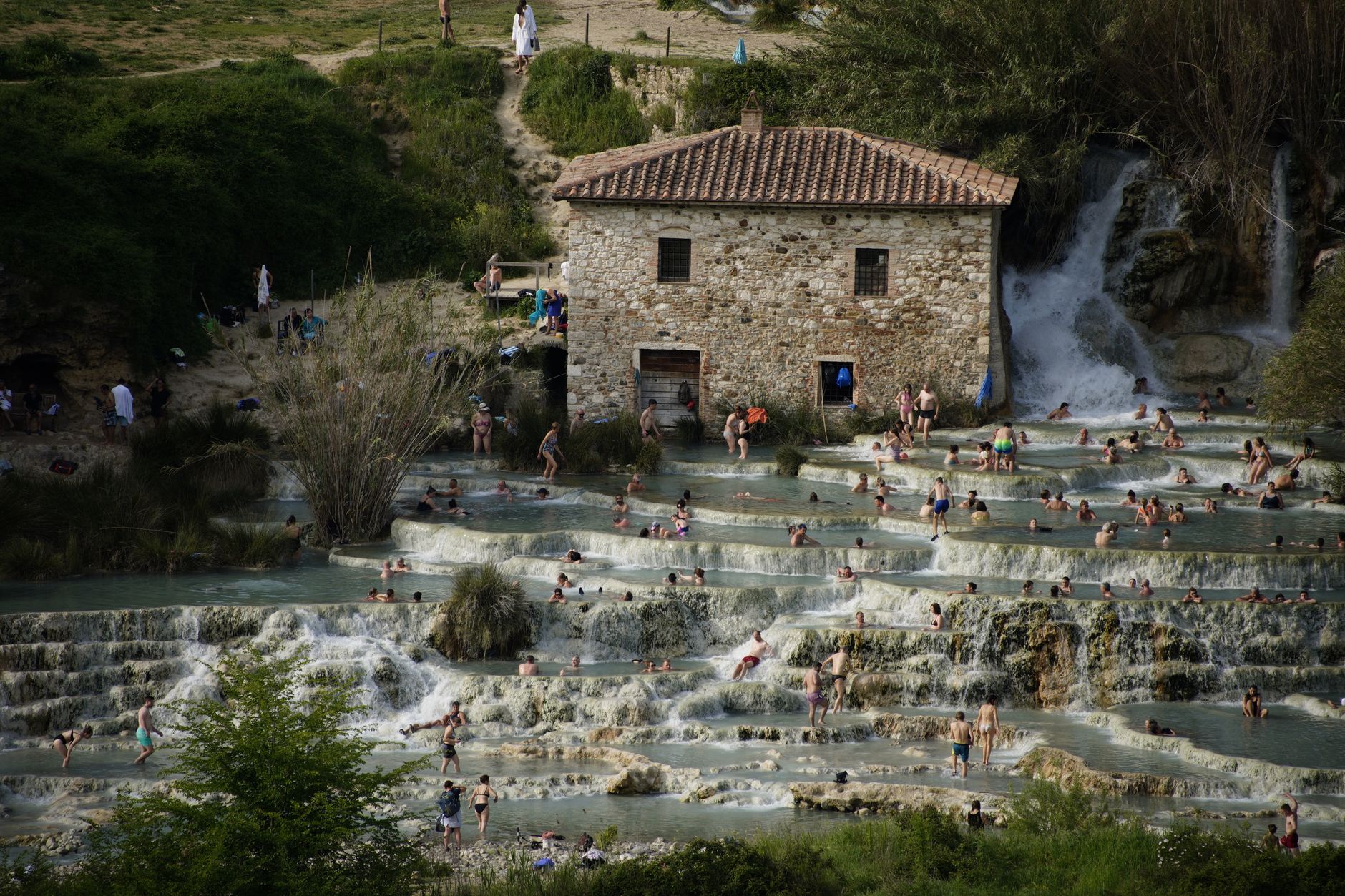
Central Italy boasts a rich geothermal heritage that predates the Roman Empire. In the southern corner of Tuscany, Cascate del Mulino outside the village of Saturnia stands as a testament to nature's artistry. Here, thermal sulfur water rushes over ancient travertine shelves at an uncompromising rate of several hundred liters per second, pooling into gentle, cascading basins enveloped by oak forests and rolling hills.
Because the pools remain open freely to nature enthusiasts throughout all four seasons, early mornings are especially ethereal. Dense steam blankets the valley floor as the morning sun cuts through olive branches, painting the limestone in soft amber hues. Those planning an Italian countryside route can pair these thermal dips with hiking trails across the Maremma nature reserves. Our team simplifies the logistics by organizing comprehensive itineraries and providing personalized visa assistance services to ensure seamless European travel.
Caucasus Thermal Sanctuaries: Azerbaijan and Georgia
You do not need to cross continents to encounter remarkable geothermal marvels. The rugged ridges of the Caucasus are home to some of the most potent mineral springs in Eurasia. Azerbaijan's own liberated regions, particularly the pristine valleys of Kalbajar, harbor legendary thermal outlets such as Istisu, where pressurized mineral waters burst forth amidst jagged alpine landscapes. As sustainable ecotourism infrastructure develops in these majestic river canyons, they are set to become regional focal points for nature-centric rejuvenation.
Just across the border, Georgia's Borjomi Gorge and the open-air sulfur pools hidden deep within the spruce forests of the Borjomi-Kharagauli National Park present an exceptional weekend excursion. After a four-kilometer hike along the Borjomula River under towering fir trees, visitors arrive at rustic stone basins fed by warm underground springs. Accessible via direct ground routes or short flights from GYD, exploring these regional wonders allows Baku travelers to enjoy restorative thermal waters within hours of departure.
Japan’s Secluded Rotenburo: Bathing in Living Ecosystems
Nowhere on Earth is the culture of thermal bathing more intimately fused with landscape worship than in Japan. While cities are dotted with traditional bathhouses, the pinnacle of the Japanese experience is the 'rotenburo'—an open-air hot spring crafted from unworked river boulders and natural cedar, constructed to blend seamlessly into forests, gorges, or beside snow-fed mountain torrents.
In mountainous regions like Gunma and Nagano, natural hot springs steam gently beneath maples during vibrant autumn leaf seasons or beneath frozen pine canopies in mid-winter. Bathers sit in silence, listening to the rush of mountain streams and watching wildlife traverse the opposite riverbank. To experience this deep harmony between architecture and wild ecosystems, our team can curate multi-stop itineraries using our comprehensive hotel booking system to reserve authentic wilderness ryokans with private geothermal access.
Wild Bathing Etiquette: Preserving Delicate Thermal Habitats
Natural springs are fragile ecological habitats. The unique combination of warm water and specific minerals nurtures rare micro-flora, specialized algae, and endemic aquatic insects that cannot survive elsewhere. When visiting undeveloped or semi-wild geothermal pools, practicing strict Leave No Trace principles is mandatory to protect these wonders for future generations.
Always rinse off sunscreen, deodorants, perfumes, and insect repellents before entering the water, as synthetic chemicals can decimate sensitive microbial colonies. Wear sturdy sandals or river shoes to prevent trampling delicate travertine crusts or vegetation on the pool edges. Lastly, never introduce soaps or shampoos—even biodegradable brands—directly into wild thermal rivers or pools, as they alter water alkalinity and disrupt aquatic ecosystems.
Safety Rules for Wild Geothermal Exploration
Thermal waters can be unpredictable. Unlike commercial municipal spas with regulated thermostats, wild springs fluctuate based on rainfall, underground seismic shifts, and ambient air conditions. Before stepping blindly into an unfamiliar natural basin, follow essential precautions to keep your journey safe and enjoyable:
First, always test the water temperature with your hand or a thermometer before stepping in; water emerging directly from subterranean vents can easily exceed 60°C and cause severe burns within seconds. Second, stay mindful of air pockets in low-lying, enclosed basins near sulfur vents, where heavier-than-air gases like hydrogen sulfide or carbon dioxide can occasionally pool. Finally, hydrate generously with fresh water. The intense mineral concentration and high temperatures dehydrate the body quickly, so pack plenty of water and limit individual soaking sessions to 15-20 minutes.
Plan Your Restorative Thermal Journey with Travellab
Balancing the untamed magic of natural hot springs with smooth, stress-free logistics requires thoughtful preparation. From securing seasonal permits for remote national parks to booking mountain lodges and arranging private transfers across foreign valleys, the details matter. At Travellab, our experienced agency specialists handle every element of your thermal nature adventure, whether you desire custom European tours across Tuscany's countryside or a journey through Turkey's thermal wonders.
Visit our Baku office or connect with our advisors online to turn your dream of steaming wilderness pools into a tailored itinerary. Let the earth's natural warmth soothe your stress while you gaze out over untouched mountain ranges, knowing every flight, transfer, and stay has been meticulously crafted for your comfort.