When travelers think of Azerbaijan, the futuristic flame towers of Baku or the ancient stone alleys of the Inner City usually come to mind first. Yet, beyond the capital lies a dramatic, shifting landscape of semi-deserts, dense subtropical forests, and snow-capped alpine peaks. As an established travel agency based right here in Baku, our team at Travellab has spent years guiding explorers far beyond the urban limits. If you are looking to experience an authentic Azerbaijan nature guide, stepping into the country's protected reserves and national parks reveals a completely different, wilder side of the Caucasus.
Navigating these protected areas independently can sometimes feel challenging due to remote locations and limited public transit. To make your journey seamless, many travelers prefer booking comprehensive ready-made tour packages that handle all logistics, transport, and expert local guides. Whether you want a rugged mountain trek or a peaceful weekend by a forest lake, understanding what each region offers is the first step toward crafting an unforgettable itinerary.
Shahdag National Park: Alpine Majesty and High-Altitude Hiking
Spanning the northeastern slopes of the Greater Caucasus mountain range, Shahdag National Park is the largest national park in the country and a cornerstone of any serious Azerbaijan nature guide. Named after the imposing Mount Shahdag, this vast territory protects alpine meadows, deep river canyons, and rare wildlife species such as the East Caucasian tur and the elusive Caucasian leopard. The climate here varies wildly; summer brings crisp, cool air ideal for multi-day trekking, while winter transforms the upper elevations into a snowy wonderland.
To reach Shahdag from Baku, most visitors arrange private transfers or join guided expeditions heading toward Qusar and Quba. Along the way, the dramatic shift from dry rolling hills to towering limestone cliffs is unforgettable. If you are flying into Heydar Aliyev International Airport (GYD) from abroad, you can easily check our flight search tools to coordinate your arrival before heading straight up into the mountains.
Goygol National Park: Emerald Waters and Mountain Legends
Tucked away in the Kapaz mountain range in western Azerbaijan, Goygol National Park centers around its namesake lake, formed by a massive earthquake in the 12th century that tumbled a mountain peak into the Aghsu River. The resulting body of water is famous for its striking, deep-blue and emerald hues, framed by thick beech, oak, and pine forests. Walking along the designated eco-trails here offers a masterclass in tranquility, especially during late spring when wild berries bloom and the forest canopy is vibrant green.
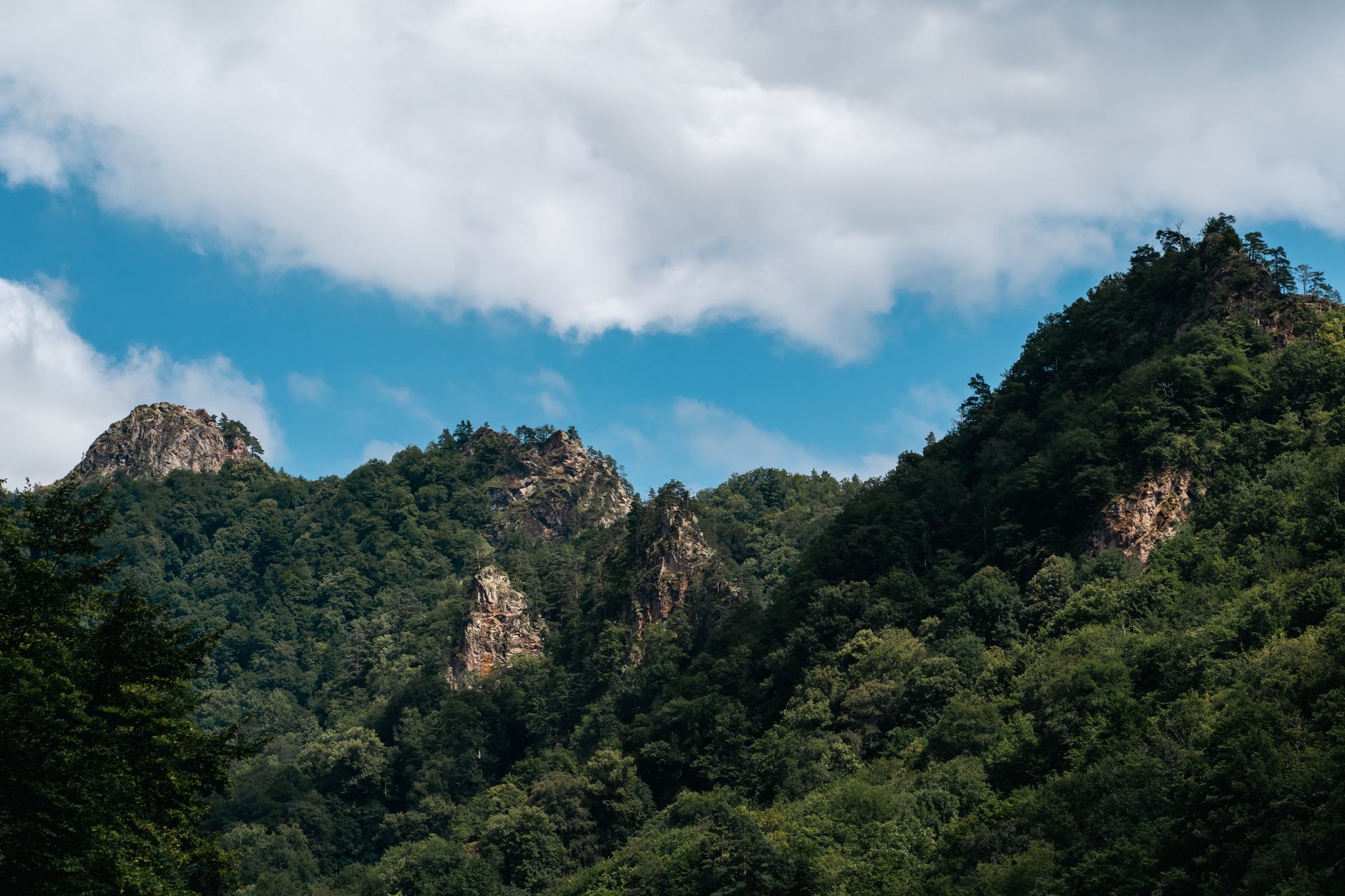
Visiting Goygol requires some planning, particularly regarding accommodation if you intend to stay overnight near Ganja, the nearest major city. Securing a comfortable place to rest is essential after a long day of hiking, and you can easily browse and book local stays using our hotel search and booking platform to find cozy guesthouses or modern hotels nearby.
Hirkan National Park: Subtropical Jungles and Ancient Trees
In stark contrast to the alpine peaks of the north, Hirkan National Park in the southeastern corner of Azerbaijan near Lankaran and the Caspian Sea offers a humid, subtropical ecosystem straight out of a fairytale. This protected area is internationally celebrated for its relict and endemic flora, surviving from the Tertiary period largely untouched by the last Ice Age. Here, massive ironwood trees, Caucasian persimmons, and thick hanging lianas create a dense canopy that feels more like Southeast Asia than the Caucasus.
The best time to explore Hirkan is during the shoulder seasons of spring and autumn, when temperatures are mild and the forest floor bursts with colorful fungi and migratory birds. Because this region sits close to the Iranian border, local regulations apply to certain deep-forest trails, making it wise to travel with licensed local guides who know the secure boundaries and hidden viewpoints.
Absheron National Park: Coastal Steppes and Transcaspian Wildlife
Located just a short drive east of Baku on the tip of the Absheron Peninsula, Absheron National Park protects a dry, windswept coastal ecosystem where the steppe meets the Caspian Sea. While it lacks the dense forests of Hirkan or the towering peaks of Shahdag, it possesses a stark, minimalist beauty all its own. This protected strip of land serves as a vital sanctuary for the endangered Caspian seal, as well as gazelles, jackals, and numerous species of waterfowl.
A trip here makes for an effortless day excursion from the capital, requiring no strenuous climbing. Birdwatchers particularly favor the autumn migration period when flocks of pelicans, flamingos, and cormorants pause along the shallow coastal lagoons. Pack a windbreaker, as the Caspian breezes can pick up quickly regardless of the season.
Gobustan National Preserve: Where Nature and Ancient History Collide
Though technically classified as a state historical-cultural and natural reserve rather than a traditional national park, Gobustan is an absolute must-see within any comprehensive Azerbaijan nature guide. Famous worldwide for its UNESCO-listed rock art petroglyphs dating back tens of thousands of years, Gobustan is equally remarkable for its geological oddities. The reserve features a high concentration of bubbling mud volcanoes, which spit cold mud across a lunar-like landscape created by underground tectonic and gas pressures.
Visiting the mud volcanoes requires sturdy footwear and cautious steps, as the ground immediately surrounding active vents can be soft and slippery. Because Gobustan sits less than an hour's drive south of Baku, it is frequently combined with afternoon city tours, offering a fascinating glimpse into both primordial geology and ancient human habitation in a single afternoon.
Essential Eco-Tourism Etiquette and Practical Travel Tips
As Azerbaijan's national parks grow increasingly popular among international travelers, practicing responsible tourism becomes vital. Most reserves operate under strict conservation rules: camping is restricted to designated zones, littering carries heavy fines, and the use of drones may require prior permits to avoid disturbing nesting birds of prey and sensitive wildlife populations.
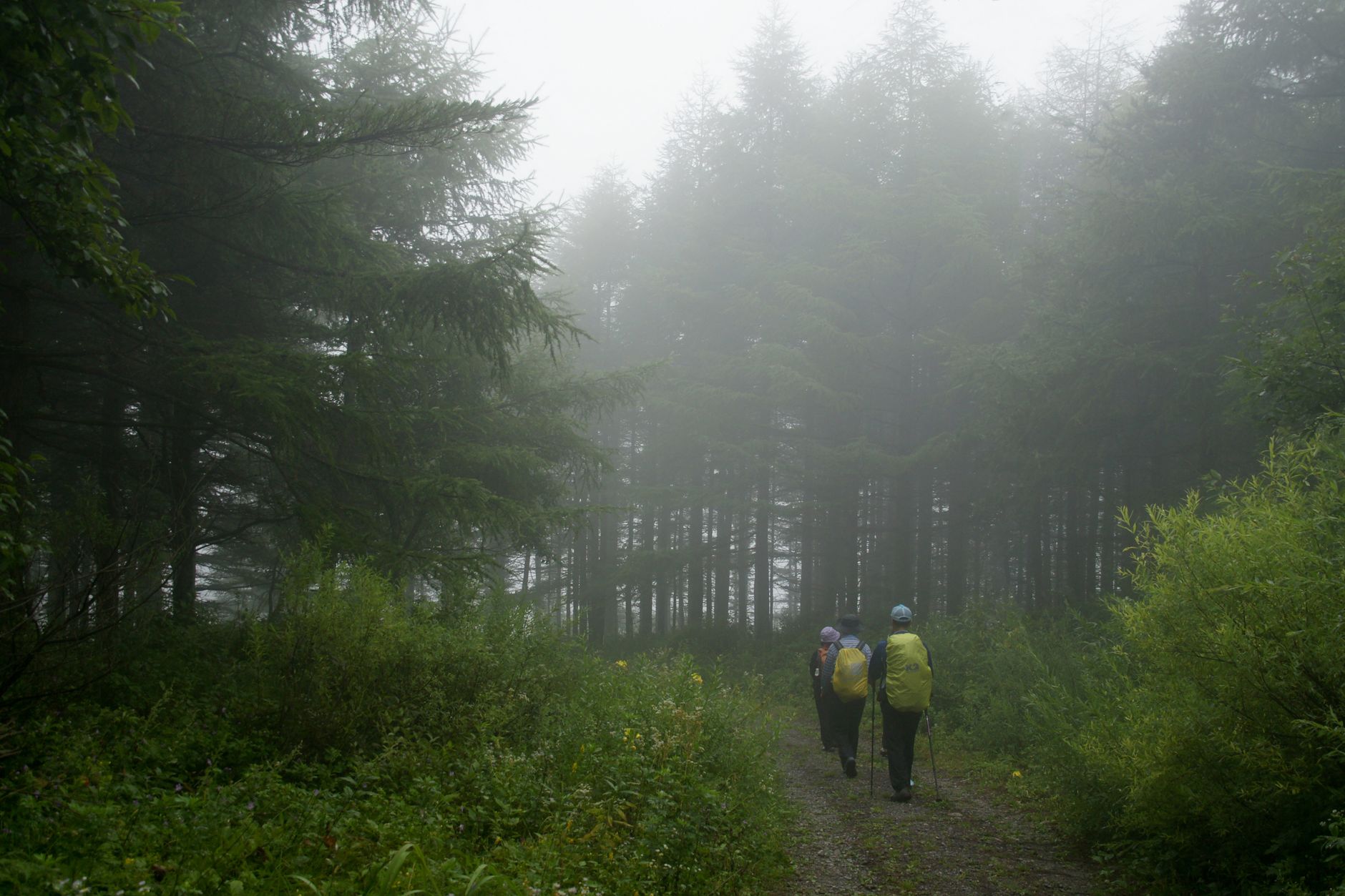
Weather in the Caucasus can turn unpredictably, especially in mountain parks like Shahdag, where an afternoon rain shower or sudden fog can reduce visibility to zero. Always pack layered clothing, sturdy hiking boots, and plenty of drinking water, as natural water sources along the trails should not be consumed untreated. Checking local weather forecasts before setting out from your Baku hotel ensures your wilderness excursion remains safe and enjoyable.
Plan Your Azerbaijan Wild Journey with Travellab
From the emerald lakes of the Lesser Caucasus to the subtropical jungle canopies of the south, Azerbaijan offers an astonishing diversity of protected landscapes waiting to be explored. Crafting the ideal itinerary that balances rugged outdoor adventure with comfortable lodging doesn't have to be complicated when you have local experts on your side.
At Travellab, our Baku-based team specializes in creating tailored travel solutions, whether you need assistance with transportation logistics, customized nature expeditions, or comprehensive tour bookings. Reach out to us today to start planning your next great escape into the wild heart of the Caucasus.