If you are seeking a destination where raw volcanic forces and frozen wilderness clash, extreme adventure travel in Iceland delivers an adrenaline surge unlike anywhere else on Earth. Iceland is not built for passive sightseers who prefer watching landscapes unfold through the window of a tour bus. It is an open-air arena for mountaineers, off-road enthusiasts, ice climbers, and cold-water divers. At Travellab, as a full-service Baku travel agency, we specialize in helping Azerbaijani travelers turn ambitious expedition goals into reality. Whether your ideal trip involves ice-axing your way up Europe's largest glacier or steering a modified 4x4 through roaring mountain rivers, this complete guide provides the exact logistics, safety measures, and insider knowledge required for a successful Arctic expedition.
Why Extreme Adventure Travel in Iceland Belongs on Your Bucket List
Iceland sits directly atop the Mid-Atlantic Ridge, where the North American and Eurasian tectonic plates continuously pull apart. This geological reality transforms the island into a dynamic landscape of active volcanoes, expanding glaciers, roaring glacial rivers, and subterranean lava tubes. Unlike standard holiday destinations, Iceland demands active physical engagement with its environment.
The seasonality of the island drastically alters the thrill. Summer brings the Midnight Sun, granting 24 hours of continuous daylight that allow for late-night mountain summits and endless backcountry tracks. Winter, by contrast, transforms the terrain into an icy frontier illuminated by the Northern Lights, offering treacherous yet breathtaking conditions for glacier cavern exploration and snowmobiling across sub-zero ice caps.
Logistics and Flights from Baku: Reaching the Arctic Edge
Starting your journey from Baku to Iceland requires strategic route planning. Flights depart from Heydar Aliyev International Airport (GYD) in Baku and connect conveniently through major European hubs like Istanbul (IST), Frankfurt (FRA), or Warsaw (WAW) into Keflavík International Airport (KEF), located roughly 45 minutes outside Reykjavik. Connecting flight durations typically average between 8 to 11 hours depending on layovers.
Before finalizing your flight arrangements, remember that Azerbaijani passport holders require a valid Schengen visa to enter Iceland. Because Iceland is represented by Schengen member embassies in Baku, applying well in advance of your target travel dates is essential. To eliminate administrative hassle, our specialists at Travellab provide a comprehensive visa service to ensure all documentation, travel insurance, and flight itineraries satisfy embassy criteria.
Glacier Trekking and Ice Climbing in Vatnajökull
Covering over 7,900 square kilometers, Vatnajökull is Europe's vastest ice cap by volume and the ultimate playground for glacier expeditions. Standard walking tours barely scratch the surface; true thrill-seekers should opt for technical glacier hikes on outlets like Falljökull or Svínafellsjökull. Outfitted with stiff mountaineering boots, steel crampons, harnesses, and ice axes, you will traverse deep crevasse fields, vertical seracs, and striking blue ice formations under the supervision of certified alpine guides.
For those seeking higher intensity, vertical ice climbing provides an unforgettable challenge. Guides set up top-rope anchors on vertical ice walls, where you sink your ice axes and kick crampon front-points into centuries-old glacial ice. If traveling between November and March, combine ice climbing with explorations of natural ice caves—caverns formed by summer meltwater that freeze into sapphire tunnels during winter.
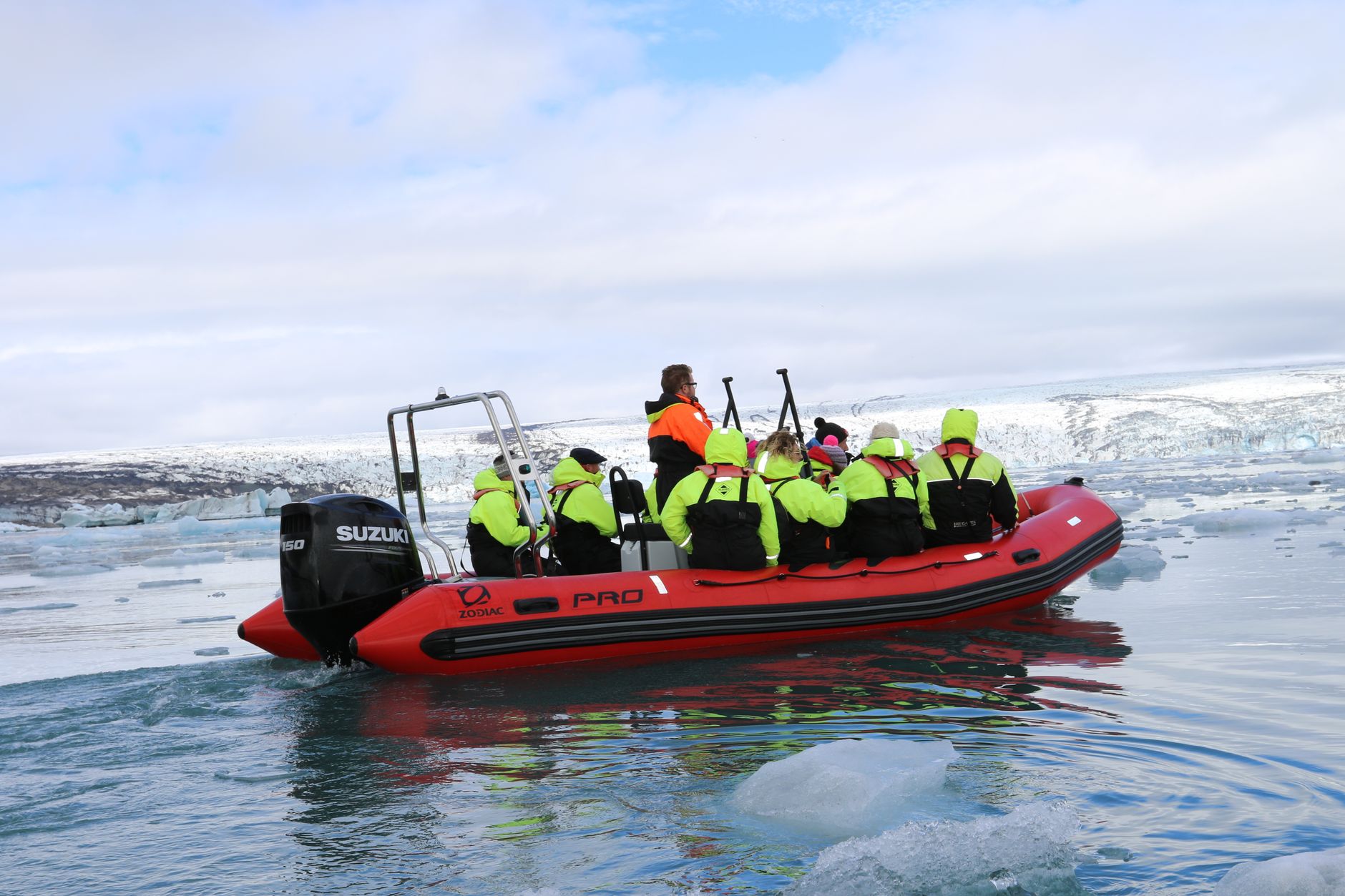
Expect high-end glacier climbing tours to start around 22,000 to 35,000 Icelandic Króna (approx. 270 to 430 AZN) per person. All technical equipment like helmets, axes, and crampons are provided, but durable waterproof outer layers are non-negotiable.
Navigating the Highlands: F-Road Off-Roading and Super Jeeps
Iceland’s interior highlands remain completely untouched by paved highway networks. Instead, access relies on a web of rugged mountain tracks designated as F-roads (such as the F208 or F26 Sprengisandur route). These routes are open strictly during summer months (typically late June to early September) and feature sharp volcanic rocks, unbridged glacial river crossings, and steep inclines.
Standard rental cars are strictly prohibited on F-roads. Navigating this interior requires a serious 4x4 vehicle equipped with high ground clearance, snorkel air intakes, and heavy-duty suspension, or joining a guided expedition in a Icelandic Super Jeep—custom-built monsters running on 38- to 44-inch low-pressure tires. Driving across fast-flowing rivers like the Krossá river in Þórsmörk requires precise technique: angling downstream, maintaining steady low-gear momentum, and reading water depth before entering.
To secure suitable rough-terrain transport or organize self-drive high-clearance rentals, travelers can compare options through our flight search engine and transport planning services to build a seamless route from Baku into the heart of the highlands.
Scuba Diving and Snorkeling in the Silfra Fissure
Diving in water that hovers constantly between 2°C and 4°C throughout the year might sound punishing, but diving into the Silfra fissure in Þingvellir National Park ranks among the top dive sites in the world. Silfra is a physical crack between the North American and Eurasian tectonic plates filled with glacial meltwater filtered through underground basaltic lava rock for over 50 years.
This filtering process creates underwater visibility exceeding 100 meters, making divers feel as though they are floating weightlessly through clear liquid glass. Divers and snorkelers wear neoprene drysuits, thermal undergarments, thick hoods, and lobster-claw gloves to maintain core body temperature.
To scuba dive in Silfra, operators require an internationally recognized Drysuit Certification or proof of logged drysuit dives within the past two years. However, non-certified adventurous travelers can opt for drysuit snorkeling, which allows you to drift along the slow surface current above the deep tectonic rift.
Volcano Trekking and Subterranean Lava Tube Exploration
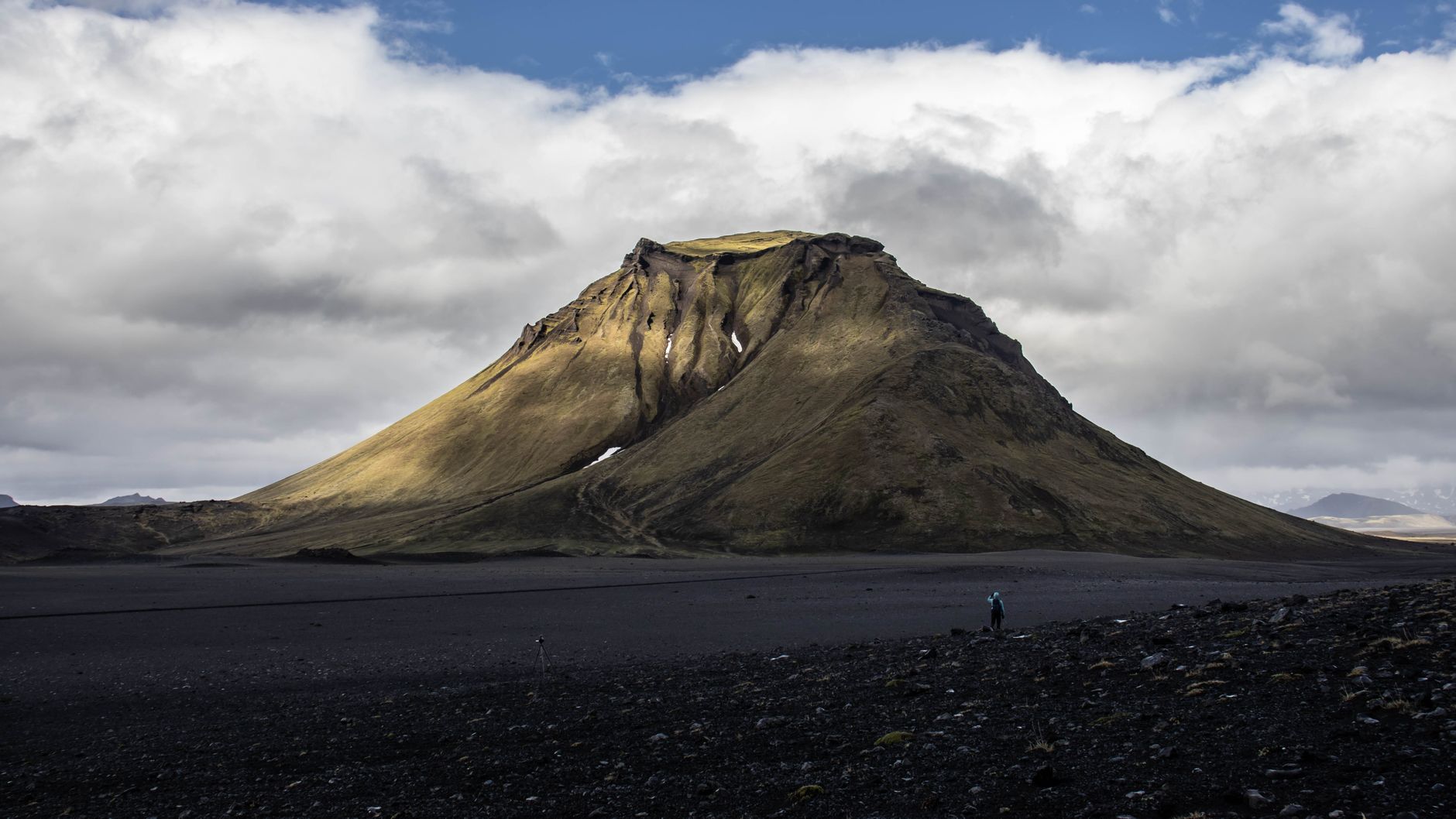
Iceland’s volcanic activity is not a relic of the past—it is an active, ongoing force. The Reykjanes Peninsula has seen several major eruptive fissures in recent years near Fagradalsfjall and Sundhnúkur. Guided trekking routes across freshly cooled basalt fields offer a firsthand look at steam vents, sulphur deposits, and glowing subterranean rocks.
Beyond surface treks, true adventure lies below the earth's crust. Lava tubing involves descending into hollow underground conduits carved out by ancient flowing magma. Routes like the Raufarhólshellir cave or Vidgelmir feature sprawling chambers adorned with mineral formations and frozen ice stalagmites in winter.
For the ultimate rush, consider the Þríhnúkagígur volcano expedition—the only place on Earth where you can descend 120 meters into a dormant volcano's magma chamber inside an open cable lift system. This expedition operates from May to October and costs roughly 49,000 ISK (approx. 600 AZN).
Essential Planning for Extreme Adventure Travel in Iceland: Safety and Gear
Icelandic weather is famously unpredictable. A single day can bring calm sunshine, blinding blizzard conditions, torrential rain, and 80 km/h wind gusts. Proper gear preparation is essential for safety, not just comfort. Follow a strict three-layer system: synthetic or merino wool base layers, an insulating fleece or down mid-layer, and a 100% waterproof/windproof Gore-Tex outer shell.
Safety management is critical when venturing into remote zones. Always check local meteorological forecasts via Vedur.is and road conditions via Umferdin.is before departing each morning. Before embarking on wilderness hikes or solo backcountry routes, submit your itinerary to SafeTravel.is, the portal managed by the Icelandic Association for Search and Rescue (ICE-SAR).
Financially, Iceland is one of Europe's pricier destinations. Expect daily food, fuel, and adventure activity budgets to average around 300 to 500 AZN per person per day. Booking through Travellab allows you to maximize value; every package booked earns rewards through our Labpoint bonus program, which can be redeemed toward future international excursions.
Unleash Your Inner Explorer with Travellab
Iceland is a realm where nature sets the ground rules, forcing travelers to test their limits against vertical ice walls, freezing tectonic trenches, and raw volcanic tracks. It is a destination that repays bold planning with memories that last a lifetime.
As a dedicated agency, Travellab takes care of all the complex logistics—from custom itinerary design and 4x4 rental arrangements to guided excursion bookings and Schengen visa assistance. If you are ready to trade ordinary vacations for extraordinary Arctic thrills, explore our curated selection of Europe tours or visit our Baku office today to start customizing your Icelandic adventure.