Eating inside the world's oldest restaurants is not merely about having a meal; it is an intimate encounter with centuries of human civilization. When you sit beneath stone arches carved during the Middle Ages or dine in wood-paneled dining rooms where famous philosophers, emperors, and composers once argued over wine, dinner becomes an immersive time-travel experience. For food lovers and adventurous travelers, uncovering historic culinary traditions adds a richer layer to any vacation.
Too many travelers settle for tourist traps clustered around town squares, missing out on landmark establishments that have preserved genuine recipes for hundreds, sometimes over a thousand, years. In this guide, our team at Travellab highlights iconic heritage dining institutions across Europe and Asia. From Salzburg's monastic cellars to Madrid's legendary roasting ovens, here is your passport to understanding where culinary heritage began and how you can seamlessly incorporate these unforgettable tables into your travel itineraries.
Why Dining at the World's Oldest Restaurants Belongs on Your Bucket List
Modern restaurant trends move fast, with viral menus and sleek minimalist aesthetics changing by the season. By contrast, the institutions that have survived wars, economic depressions, plagues, and regime changes possess something that cannot be manufactured: genuine heritage. Stepping across centuries-old thresholds allows you to taste cooking techniques that predate modern culinary schools, from slow-roasting suckling pig in cast-iron pans to fermenting seasonal broth bases handed down over twenty generations.
Beyond the food, these venues provide living museum experiences without the velvet ropes. You sit upon solid walnut chairs polished by hundreds of years of patrons, surrounded by original brickwork, historic signatures, and antique cooking hearths. For travelers who appreciate storytelling as much as flavor, planning a journey around these culinary relics turns a standard holiday into an intellectual and sensory adventure.
St. Peter Stiftskulinarium: Dining in 803 AD Salzburg
Tucked inside the walls of St. Peter's Abbey in Salzburg, Austria, St. Peter Stiftskulinarium holds the undisputed title of Europe's oldest documented restaurant. First mentioned in recorded writing by the scholar Alcuin in 803 AD during the reign of Charlemagne, this historic venue has welcomed royalty, clergy, and ordinary travelers for well over twelve centuries. Wolfgang Amadeus Mozart is said to have dined here, and the atmosphere still reflects that Baroque grandeur.
The dining spaces are carved directly into the Mönchsberg rock face, divided into distinct historical stone vaults and elegant candlelit parlors. The kitchen deftly balances Austrian classical gastronomy with refined modern European techniques. Expect flawless Wiener Schnitzel fried in pure clarified butter, tender braised Tafelspitz, and the iconic Salzburger Nockerl, a sweet soufflé representing the snow-covered peaks surrounding the city.
Because Salzburg is a compact, walkable city, a meal here fits naturally into an alpine itinerary. If you are arranging your journey from Azerbaijan, you can explore flight connections through our flight search departing from Heydar Aliyev International Airport (GYD) directly toward Central European hubs like Vienna or Munich, followed by a scenic Austrian rail ride into Salzburg.
Historische Wurstkuchl: Germany's Medieval Sausage Legend

Perched directly on the banks of the Danube River in Regensburg, Germany, Historische Wurstkuchl (Historic Sausage Kitchen) traces its roots to 1146 AD. Originally built as an administrative office during the construction of the famous Stone Bridge across the river, the small stone building transformed into an open-hearth tavern serving boiled meat to stonemasons, carpenters, and river sailors. It has continuously operated as a riverside eatery ever since.
The menu remains famously focused and unpretentious. The specialty of the house is charcoal-grilled pork sausages, seasoned with marjoram and served on pewter plates over a bed of slow-simmered, homemade sauerkraut made in their own cellar. Everything is accompanied by freshly baked Bavarian pretzel rolls and sweet homemade mustard, a secret recipe perfected over generations.
A visit to Historische Wurstkuchl is delightfully tactile. There are no reservations here; guests grab seats on outdoor wooden benches watching riverboats drift along the Danube. It provides an affordable, authentic counterpoint to fine dining, proving that historic dining belongs as much to working folk traditions as to noble courts.
Honke Owariya: Savoring 550 Years of Kyoto Soba Craft
Founded in 1465 in Kyoto, Honke Owariya started as a confectionery shop making traditional rice cakes before transitioning to crafting soba noodles for Zen Buddhist monks, samurai lords, and the Imperial Palace. Operating across more than five centuries, this serene wooden establishment reflects the essence of Japanese culinary discipline and architectural beauty.
The foundation of their cuisine relies on Kyoto's exceptionally soft underground spring water, drawn from their private well, which extracts the delicate flavor from Hokkaido-grown buckwheat flour. Their signature dish is Hourai Soba, a multi-tiered lacquer box containing cold soba noodles accompanied by eight delicate garnishes: shiitake mushrooms, shredded omelet, toasted nori, sesame seeds, grated daikon, wasabi, shrimp tempura, and leeks.
Dining here is a quiet, meditative ritual. Guests remove their shoes to walk on tatami mats, listening to sliding shoji paper doors while garden greenery frames the courtyard windows. It serves as a reminder that long-lived gastronomy often survives because of dedication to simple, flawless core ingredients.
Sobrino de Botín: Madrid's Record-Holder Among the World's Oldest Restaurants
According to the Guinness World Records, Restaurante Sobrino de Botín in Madrid, Spain, is the oldest continuously operating restaurant in existence without closing or changing locations, having kept its doors open since 1725. Situated just a short stroll from Plaza Mayor along Calle de Cuchilleros, this four-story brick tavern is a temple to Castilian culinary tradition.
The centerpiece of the restaurant is its wood-fired cast-iron oven, which has been maintained hot with holm oak embers continuously since the day it was installed in the 18th century. Ernest Hemingway made Botín his favorite Madrid haunt, immortalizing the cellar and roast suckling pig in the final pages of 'The Sun Also Rises.' Legendary artist Francisco de Goya even worked here as a young dishwasher before entering the Royal Academy of Fine Arts.
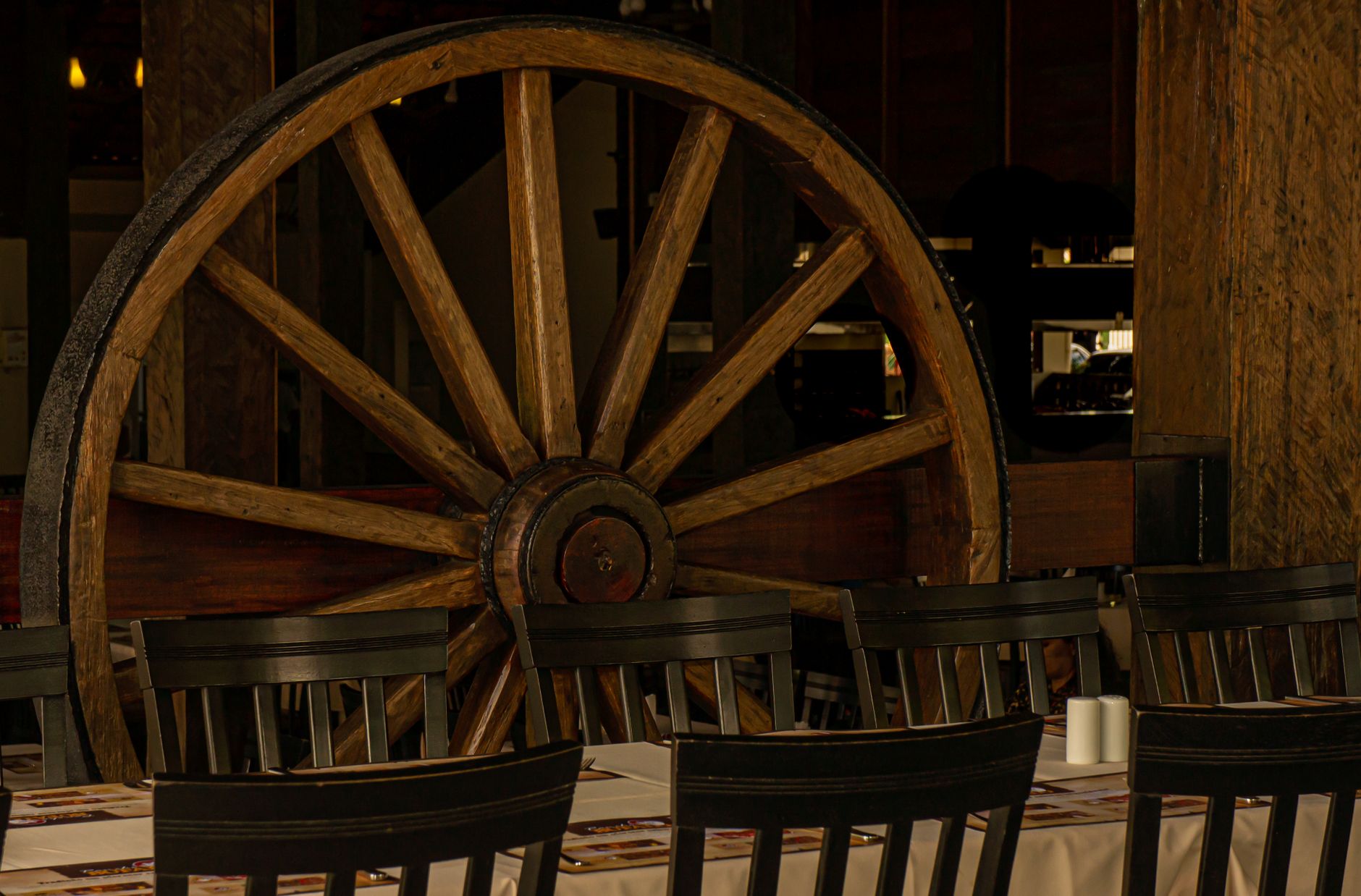
When you book a table, request seating in the ancient vaulted brick cellar beneath street level. Order the 'cochinillo asado' (roast suckling pig) or 'cordero lechal' (roast baby lamb), both cooked to perfection with impossibly crisp skin and meltingly tender meat. Pair your meal with an earthy Ribera del Duero red wine for a classic Spanish feast.
The Brazen Head: Centuries of Folklore and Stew in Dublin
Dublin's culinary heritage is closely tied to its pub culture, and none stands taller than The Brazen Head, established in 1198. Originally serving as a defensive watchtower and gathering point for travelers docking along the River Liffey, this venerable tavern has welcomed Irish rebels, writers, and musicians from Wolfe Tone and Daniel O'Connell to James Joyce and Jonathan Swift.
Despite its age, the venue remains vibrant and welcoming. Low timber-beamed ceilings, weathered brick fireplaces, and walls adorned with historical artifacts create an atmosphere that feels like stepping into an 18th-century rebellion headquarters. Live traditional fiddle music rings out almost every evening, encouraging lively conversation between locals and travelers alike.
The kitchen honors traditional Irish comfort cooking with hearty portions. Standout dishes include slow-cooked Guinness and beef stew served with mashed potatoes, traditional Dublin Coddle made with slow-simmered sausages and bacon, and freshly shucked Atlantic oysters served with freshly baked soda bread and creamy butter.
How to Plan and Book a Historic Culinary Route from Baku
Traveling to sample legendary recipes requires more deliberate planning than typical holidays. Because places like Botín in Madrid and St. Peter Stiftskulinarium in Salzburg have limited seating capacities in their historical rooms, booking your table 4 to 8 weeks in advance is essential, particularly for weekend dinner slots.
Travelers departing from Baku can easily tie these culinary visits into broader holiday plans. If you are considering visiting multiple European landmarks, our travel specialists can design personalized Europe tours that handle both your transport links and hotel stays in central historic districts. To ensure seamless entry into the Schengen zone, our dedicated agency team assists with every document step through our visa service.
When building your schedule, choose accommodation within walking distance of the historic core. Finding central boutique accommodation is straightforward when you browse verified locations in our hotel search. This keeps you close to the cobblestone streets where these ancient inns have stood for centuries.
Savoring Centuries: Reserve Your Seat in History
From medieval sausages on the banks of the Danube to slow-roasted meats in 18th-century Madrid ovens, exploring these storied tables provides a profound appreciation for culinary heritage. Each bite connects you with centuries of human ritual, celebration, and culinary dedication that survived against all historical odds.
At Travellab, our agency team specializes in creating tailor-made itineraries that weave world-class dining, seamless flights, and authentic regional experiences into stress-free vacations. Contact our Baku office today to start planning your next historic gastronomy escape, and let us reserve your front-row seat to the world's most enduring dining legends.