Mountain trekking and extreme adventure travel push the boundaries of what travelers expect from a traditional vacation. When you trade sandy beaches and crowded city streets for raw alpine ridges, thin air, and unpredictable weather, you enter a realm where preparation dictates survival and enjoyment. As an experienced travel agency based right here in Baku, Azerbaijan, our team at Travellab designs journeys that balance raw thrill with meticulous safety. Whether you are departing from Heydar Aliyev International Airport (GYD) to conquer the Caucasus, heading to the Himalayas, or exploring the rugged trails of Patagonia, understanding the mechanics of high-altitude trekking is essential. This comprehensive guide will walk you through everything you need to know, from physical conditioning to gear selection, route planning, and high-altitude health management, ensuring your next outdoor expedition is both life-changing and secure.
Understanding Mountain Trekking and High-Altitude Risks
Before lacing up your boots for a serious mountain trekking and extreme adventure travel itinerary, you must respect the unique physiological challenges of high altitude. As elevation increases, atmospheric pressure drops, meaning fewer oxygen molecules are available per breath. At altitudes above 2,500 meters (approx. 8,200 feet), Acute Mountain Sickness (AMS) can affect anyone, regardless of fitness level. Symptoms range from mild throbbing headaches and nausea to debilitating dizziness and fatigue. To mitigate these risks, mountaineers rely on the golden rule of acclimatization: climb high, sleep low, and ascend no more than 300 to 500 meters of sleeping elevation per day once you pass the 3,000-meter mark. Hydration is equally critical; dry mountain air rapidly dehydrates the body, so consuming four to five liters of water daily combined with electrolyte replenishment is non-negotiable. If you are coordinating complex international logistics for your expedition, our travel specialists can assist you with seamless planning, or you can explore our ready-made tours that factor in safe acclimatization profiles.
Physical conditioning for extreme altitude requires months of targeted preparation rather than last-minute gym visits. Cardiorespiratory endurance forms the foundation of any successful trek. Incorporate long, steady-state running, cycling, or rowing sessions into your weekly routine, aiming for at least 45 to 60 minutes of continuous cardio three times a week. Complement this with strength training focusing on eccentric quadriceps strength, glutes, and core stability—the exact muscles engaged when descending steep, loose-scree mountain paths with a heavily loaded backpack. Step-ups with a weighted vest, lunges, and deadlifts will bulletproof your joints against the relentless impact of downhill hiking. Remember, descending places up to three times your body weight of stress on your knees, making targeted leg conditioning just as vital as cardiovascular stamina.
Essential Gear and Technical Equipment for Extreme Expeditions
Investing in high-performance gear can mean the difference between a triumphant summit and a dangerous evacuation. In mountain trekking and extreme adventure travel, your clothing system must follow the three-layer principle: a moisture-wicking base layer (merino wool or synthetic fibers), an insulating mid-layer (down jacket or grid fleece), and a weather-resistant shell (Gore-Tex or equivalent waterproof-breathable fabric). Avoid cotton entirely, as it retains moisture and rapidly drains body heat once you stop moving. Footwear is your most critical investment; waterproof, stiff-soled mountaineering boots or high-support trekking boots must be thoroughly broken in months before departure to prevent agonizing blisters. Technical accessories—such as Category 3 or 4 glacier sunglasses, UV-blocking sunscreen, trekking poles to reduce knee strain, and a reliable headlamp with spare lithium batteries—are mandatory items for any serious backcountry pack.
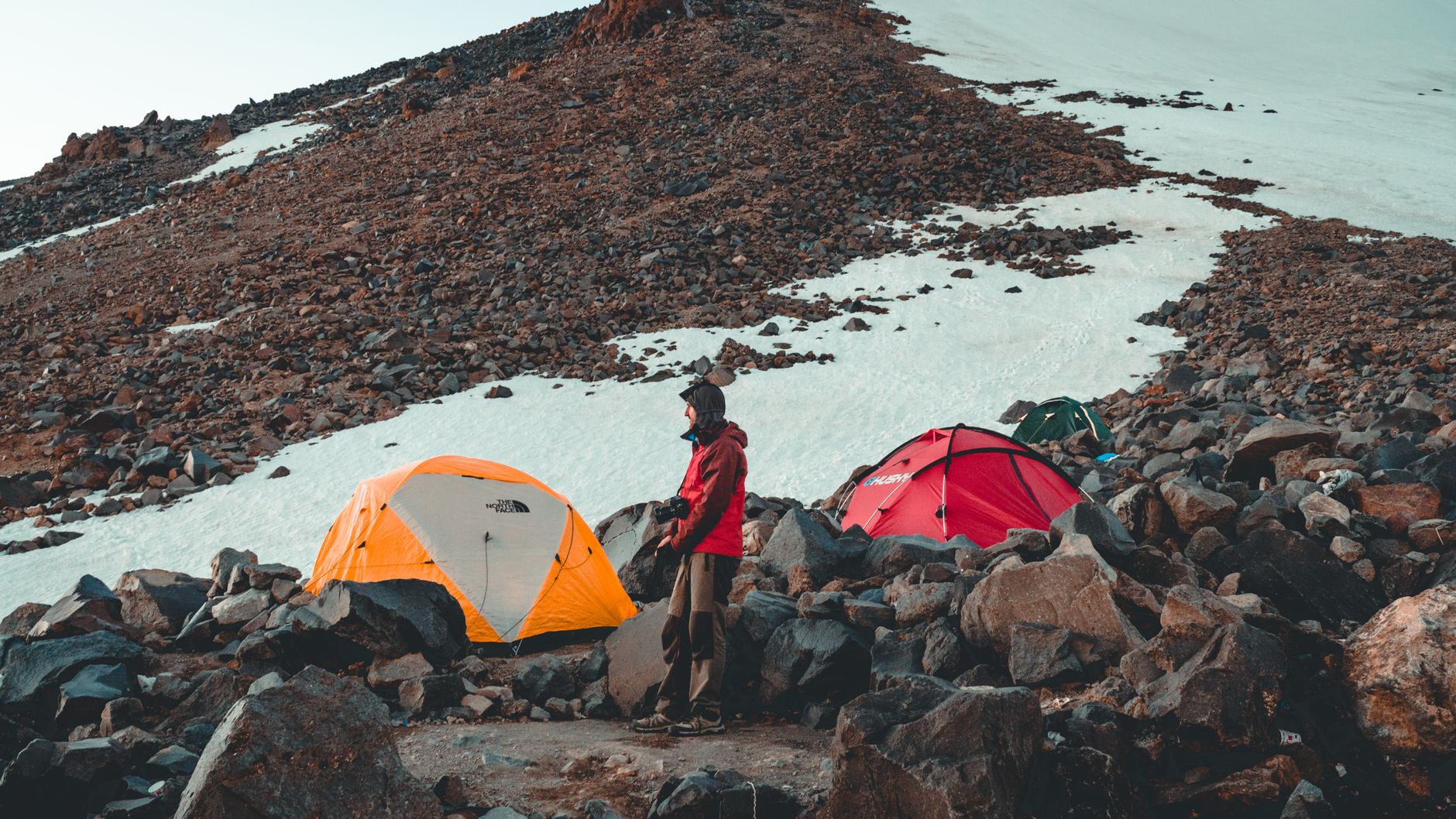
Beyond personal apparel, your shelter and sleep systems dictate your recovery quality at high altitudes. A four-season geodesic tent engineered to withstand high wind loads and heavy snowfall is indispensable if you are camping above the tree line. Pair this with a sleeping bag rated at least 10 to 15 degrees Fahrenheit lower than the lowest anticipated nighttime temperature, resting on an insulated sleeping pad with a high R-value to block ground frost. When organizing flights for expeditions carrying bulky gear like tents, stoves, and technical hardware, you can easily compare baggage allowances and flight schedules using our flight search tool before departure from Baku.
Route Selection, Navigation, and Navigating the Wilderness
Choosing the right trail requires an honest assessment of your technical skills, navigation abilities, and psychological resilience. Novice trekkers should start on well-marked, supported routes where local guides handle logistics, whereas seasoned alpinists may seek remote, self-supported traverses. Regardless of the route, traditional paper topographical maps and a magnetic compass must always accompany your digital navigation devices. GPS apps and smartwatches are incredible tools, but extreme cold drains lithium-ion batteries rapidly, and unexpected electronics failure in a whiteout can leave you stranded. Always carry a power bank stored inside an inner jacket pocket to keep your devices warm and operational.
Route planning also demands continuous weather monitoring. Mountain microclimates can shift from blazing sunshine to blinding snow squalls in less than an hour. Experienced expedition leaders always check local meteorological reports, observe cloud formations (such as lenticular clouds signaling high winds), and establish strict turn-around times. Reaching the summit is optional; returning home safely is mandatory. If you prefer traveling with a knowledgeable group of like-minded adventurers led by seasoned professionals, check out our curated group tours designed for safety and camaraderie in wild landscapes.
Logistics, Documentation, and Cross-Border Adventure Planning
Executing an international mountain trekking and extreme adventure travel expedition involves navigating complex administrative requirements well before stepping onto the trail. Many premier mountain ranges—such as those in parts of Central Asia, South America, or remote European borders—require specialized trekking permits, national park entry fees, and government registrations. Securing these permissions often involves interacting with regional authorities, submitting detailed daily itineraries, and proving that you possess adequate emergency evacuation insurance. Standard travel insurance policies frequently exclude mountaineering above 3,000 meters or activities involving ropes and crampons; you must purchase a specialized adventure sports rider that explicitly covers search and rescue (SAR) operations by helicopter.
Furthermore, international travel for rugged expeditions often requires transit visas, health declarations, and customs clearances for specialized gear like trekking poles, camping stoves, or satellite communicators. If your expedition takes you across borders, ensuring your travel documentation is completely up to date prevents stressful delays at customs. Our agency provides comprehensive assistance with paperwork, ensuring every detail is covered. You can learn more about our professional support services through our dedicated viza assistance page. Proper planning on the administrative front guarantees that your energy remains focused entirely on the physical and mental challenges waiting on the mountain.
Safety Protocols, Emergency Preparedness, and Leave No Trace
Safety in the wilderness is a collective responsibility that begins long before the first step on the trail. Every member of an adventure trekking party should possess basic wilderness first-aid knowledge, including how to treat hypothermia, manage severe blisters, splint fractures, and recognize the early warning signs of High Altitude Pulmonary Edema (HAPE) or High Altitude Cerebral Edema (HACE)—both of which are medical emergencies requiring immediate descent. Carrying a satellite messenger (such as a Garmin inReach or SPOT device) allows you to transmit SOS signals or communicate with rescue coordinators even when cellular networks are entirely absent.
Equally important is our ethical commitment to the environment through strict adherence to Leave No Trace principles. Mountain ecosystems are fragile; alpine flora grows at an agonizingly slow rate, and once disturbed, trails take decades to heal. Pack out every scrap of waste—including organic matter like fruit peels, which decompose very slowly in cold, dry alpine soils. Respect local wildlife by maintaining a safe distance, store food securely in bear-proof containers or hang lines where necessary, and minimize campfire impacts by utilizing lightweight backpacking stoves. By preserving these pristine wild spaces, we ensure that future generations can experience the same profound sense of awe and solitude in the mountains.
Preparing for Your Ultimate Alpine Expedition
Embarking on a high-altitude expedition is far more than a physical test; it is a profound journey of self-discovery that reconnects you with the primal rhythms of the natural world. The crisp morning air, the silence of a high-altitude camp under a blanket of stars, and the sheer triumph of standing atop a windswept ridge reward every ounce of preparation and sweat. However, turning this dream into a seamless reality requires trusted expertise, reliable logistics, and careful attention to safety standards that only seasoned professionals can provide.
As a dedicated travel agency based in Baku, Travellab is committed to crafting extraordinary, secure, and deeply immersive journeys for every outdoor enthusiast. Whether you are seeking a rugged independent trek or a fully supported expedition, we handle the intricacies so you can focus entirely on the horizon. To discover more about our philosophy and team, visit our about page. If you are ready to book comfortable accommodation for your recovery days before or after the trek, explore our curated hotels selection. Step out of your comfort zone, embrace the wild, and let Travellab guide your next great mountain adventure.