Medical travel has evolved from a niche alternative into a global standard for individuals seeking specialized healthcare, aesthetic procedures, and comprehensive wellness retreats. Navigating healthcare outside your home country requires far more than simply scheduling an appointment with an international specialist; it demands meticulous logistical coordination, thorough travel preparation, and a dependable support network. This comprehensive medical tourism guide examines the practical travel framework required to turn complex health journeys into seamless, stress-free experiences.
When coordinating overseas healthcare, the clinical decisions belong strictly between you and your licensed medical team. However, the operational side—managing flight schedules, arranging extended hotel stays near health facilities, navigating entry visas, and organizing dedicated ground transfers—falls squarely on smart travel planning. At Travellab, our agency team specializes in structuring the logistical backbone of your journey so that you and your accompanying family members can focus entirely on rest, wellness, and healing.
Understanding the Foundations of Medical Tourism
Medical tourism encompasses travel across international borders to receive elective procedures, advanced diagnostics, specialized therapies, dental renovations, or holistic rehabilitation. Travelers frequently look abroad to access cutting-edge medical technologies, shorten waiting intervals, or pair specialized treatments with serene environments conducive to peaceful recuperation. The journey blends strict medical timetables with typical travel dynamics, making timing and precision paramount.
Unlike a casual vacation, medical travel leaves very little room for sudden flight cancellations or inconvenient transit delays. If an initial consultation or pre-operative screening is booked for 09:00 on a Tuesday, your arrival, check-in, and local transit must be planned with generous safety buffers. Understanding this dual nature of the trip ensures that both your clinical schedule and your physical comfort remain completely uncompromised from departure to return.
Leading Global Hubs in Our Medical Tourism Guide
Several countries have established themselves as premier international destinations for health and aesthetic travel, backed by world-class infrastructure and hospitality ecosystems. Turkey stands out as one of the most accessible and versatile destinations for travelers departing from the South Caucasus and Central Asia. With multiple daily direct connections from Baku's Heydar Aliyev International Airport (GYD) to Istanbul, Ankara, and Izmir, travelers can reach top-tier facilities in under three hours. You can coordinate your travel plans alongside our tailored Turkey travel packages to secure optimal accommodation near central health districts.
South Korea has emerged as another international powerhouse, particularly renowned for advanced aesthetic procedures, dermatology, and state-of-the-art diagnostic check-ups. Its capital, Seoul, pairs ultra-modern urban transit with specialized international visitor services. Across Europe, countries such as Germany, Austria, and the Czech Republic remain traditional leaders for orthopedic rehabilitation, complex cardiac care, and historic thermal spa sanatoriums. Each destination presents unique travel prerequisites regarding climate, flight duration, and local language accessibility.
Organizing Visas, Flights, and Travel Documentation
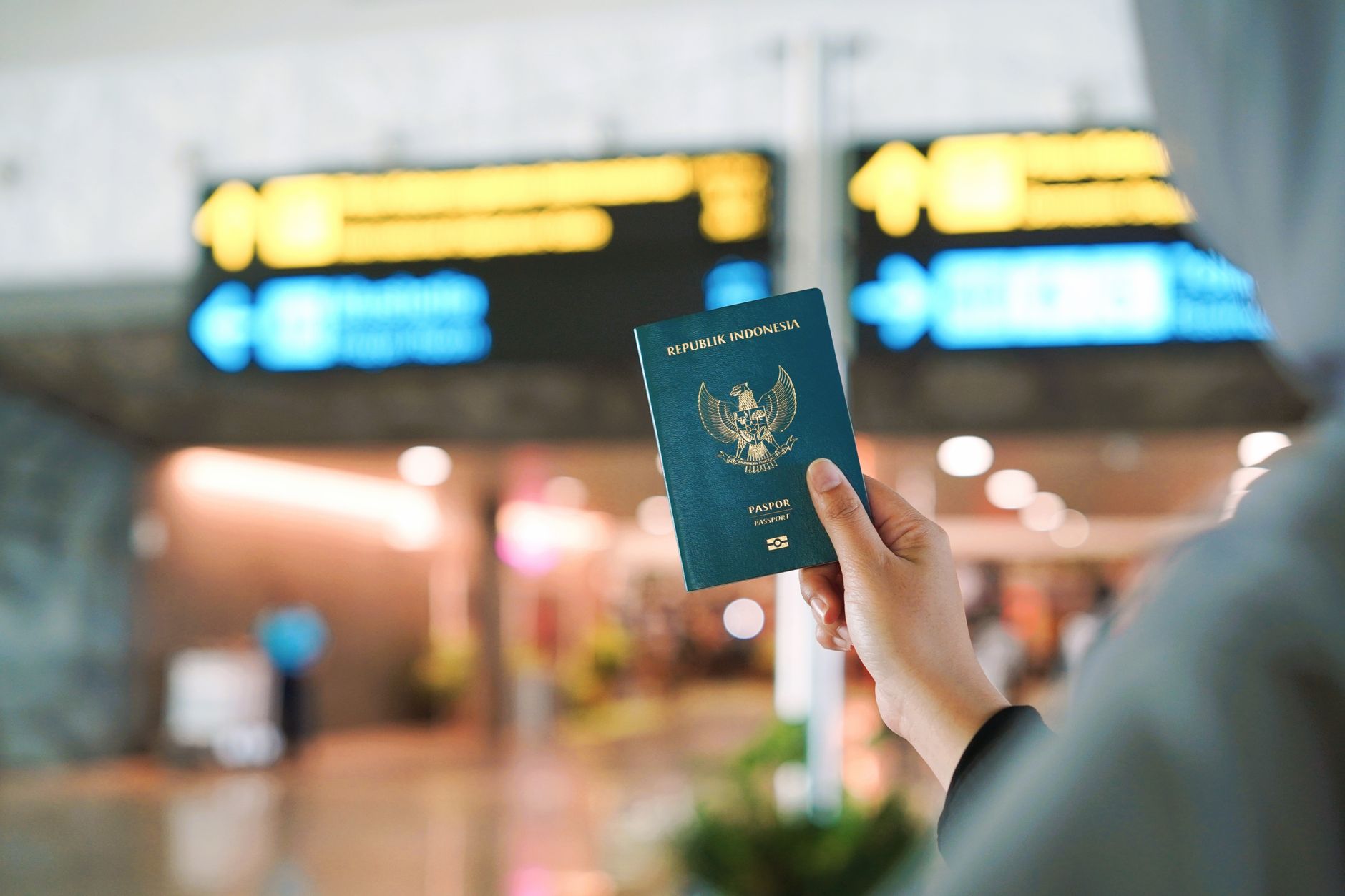
The logistical success of any health-related trip hinges on securing the proper travel authorization well before your targeted procedure date. While some destinations offer visa-free entry or straightforward electronic visas for Azerbaijani passport holders, European countries and other long-haul destinations often demand detailed medical visa documentation, including official invitation letters from healthcare institutions and proof of sufficient financial coverage. Relying on professional visa support services eliminates administrative friction and prevents costly scheduling postponements.
Flight selection also requires a tailored approach. When traveling for physical therapies or post-operative recovery, direct flights are vastly superior to multi-leg itineraries that involve stressful terminal transfers. If you must book connecting routes, building in generous layover windows prevents physical exhaustion. Utilizing an advanced flight search allows you to compare cabin classes, baggage allowances for medical supplies, and flexible ticket policies that permit last-minute itinerary adjustments if your physician recommends an extended stay.
Selecting the Right Accommodation for Recovery
Where you stay after a medical procedure directly impacts your comfort and recovery speed. Standard tourist hotels located in bustling entertainment districts are rarely suitable for patients who require absolute quiet, superior indoor air quality, and accessible room design. When evaluating lodging, prioritize properties equipped with spacious elevators, walk-in showers without high tub thresholds, and 24-hour room service to accommodate fluctuating meal schedules.
Proximity to your primary facility is equally crucial. Traffic congestion in major metropolitan hubs like Istanbul or Seoul can turn a five-kilometer ride into a grueling one-hour ordeal. Securing rooms within walking distance or a short private transfer radius through a dedicated hotel search and booking system ensures that follow-up check-ups and dressing changes are quick and effortless. Additionally, consider booking an adjoining room or a serviced apartment if you are accompanied by a family member or caregiver.
Planning Post-Procedure Recovery and Safe Return Flights
One of the most critical oversights in medical travel planning is underestimating the mandatory recovery window before boarding a return flight. Cabin pressure changes, prolonged immobility, and the physical vibration of air travel can elevate the risk of deep vein thrombosis (DVT), swelling, or incision strain. Every patient must obtain an explicit 'Fit to Fly' clearance from their treating doctor before stepping onto an aircraft.
To protect yourself against unpredictable recovery timelines, always purchase flexible airfare that allows date modifications with minimal fees. We recommend scheduling at least two to four buffer days between your projected discharge date and your scheduled return flight to Baku. This safety margin accommodates minor post-procedure observations, final suture removals, and the issuance of translated medical discharge summaries without inducing travel panic.
Essential Pre-Departure Checklist for Medical Travelers

A structured preparation checklist keeps your travel organized and mitigates surprises upon arrival. Start by assembling all necessary personal documentation at least three weeks prior to departure. Below are essential items every medical traveler should organize:
1. Medical Records: Carry hard copies and digital scans of your complete medical history, previous MRI/CT scans, blood test results, and a list of current prescriptions translated into English or the destination country's language.
2. Comprehensive Travel Insurance: Verify that your international travel insurance policy covers emergency medical evacuation, trip interruption, and unexpected hospital stays unrelated to elective exclusions.
3. Local Connectivity and Communication: Arrange international roaming or a local eSIM beforehand so you can instantly reach your transport coordinator, accommodation desk, and clinic liaison upon landing.
4. Accompanying Companion Logistics: Ensure that your travel companion's visa validity and lodging arrangements are fully aligned with your maximum potential stay duration.
Combining Wellness with Gentle Tourism Responsibly
Many individuals hope to incorporate sightseeing into their health journey. While combining wellness retreats with light cultural exploration is rewarding, activities must be calibrated strictly against your physical condition. High-exertion excursions, sunbathing, thermal baths, and spicy local cuisines are frequently contraindicated following surgical or dermatological interventions.
Instead, structure any active sightseeing during the initial days before your clinical intake begins. Following your procedures, focus exclusively on gentle activities: scenic boat tours, restful park strolls, or quiet museum visits that offer wheelchair accessibility and ample seating. Maintaining realistic expectations about physical activity protects your investment in your health and ensures a rejuvenating journey.
Let Travellab Handle Your Travel Logistics
Embarking on a health journey abroad represents an important investment in your personal well-being. Leaving the travel logistics to experienced professionals allows you to bypass the stress of coordinating complex itineraries, securing appropriate lodging, and managing strict transit schedules. At Travellab, our agency team handles every travel detail—from booking direct flights out of Baku to organizing specialized airport transfers and restful hotel accommodations.
Whether you are traveling for a comprehensive preventive check-up, an aesthetic procedure, or specialized wellness therapies, we ensure your journey is comfortable, safe, and aligned with your timetable. Contact our Baku travel specialists today to structure your personalized medical travel itinerary and travel with complete peace of mind.