Every frequent flyer knows the familiar haze that sets in after a pre-dawn departure from Heydar Aliyev International Airport (GYD), a turbulent connection, and an immediate transfer to a downtown boardroom. When you travel for corporate business, your company expects you to negotiate contracts, present strategic proposals, or lead critical audits with absolute clarity. Yet, the physical and neurological toll of transit often produces the exact opposite effect. Managing business travel fatigue is not merely a question of willpower or drinking an extra espresso before your keynote; it is a measurable operational factor that directly dictates corporate return on investment.
At Travellab, our agency team handles high-stakes corporate itineraries across Europe, the Middle East, and Central Asia every day. We see firsthand how poorly planned logistics turn capable executives into exhausted passengers before their meetings even begin. Chronic road weariness compromises working memory, dampens emotional intelligence during delicate negotiations, and drastically increases the likelihood of costly administrative errors. To stay sharp and protect your physical well-being, both corporate planners and individual business travellers must treat trip design as an integral part of executive performance.
The Hidden Cost of Business Travel Fatigue on Corporate Output
Business travel fatigue differs from ordinary jet lag in subtle but dangerous ways. While jet lag stems primarily from a desynchronised circadian clock after crossing multiple time zones, travel fatigue accumulates through disrupted sleep architecture, continuous low-grade sensory stimulation, dry pressurised cabin air, and cognitive overload. When an executive spends three hours navigating crowded terminals, clearing border controls, and managing delays, cortisol levels spike before their workday officially begins.
Studies in cognitive ergonomics show that continuous travel without structured recovery leads to micro-sleep episodes, impaired risk assessment, and a marked decline in creative problem-solving. If your organisation sends high-value personnel abroad to close seven-figure deals, forcing them into brutal red-eye flights with tight turnaround times is a classic false economy. Saving fifty euros on an inconvenient flight connection can easily jeopardize months of relationship-building.
The solution requires moving away from reactive coping mechanisms toward structured, proactive travel design. When companies view travel logistics through the lens of human endurance, itineraries shift from chaotic marathons into strategic, high-efficiency business deployments.
Smart Flight Scheduling: Strategic Transit Over Cheap Convenience
The foundation of a low-fatigue business trip is built during the booking phase. Many corporate booking tools default to lowest-cost routing, producing multi-leg journeys that turn a simple three-hour flight into an exhausting eight-hour trial. Wherever feasible, corporate travel coordinators should prioritise non-stop services and sensible arrival windows. Arriving at your destination by 18:00 allows for an evening decompression walk, a nutritious dinner, and a standard night of sleep before morning obligations begin.
When direct routing is unavailable, evaluate layovers carefully. A forty-minute transit window forces the traveller into a panicked sprint across sprawling hubs like Frankfurt or Istanbul, whereas a three-hour stopover provides adequate time to access an airport lounge, hydrate, and complete focused administrative tasks in quiet conditions. You can compare intelligent flight paths and cabin classes through our corporate flight search to strike the right balance between cost efficiency and physiological preservation.
Seat selection is equally critical. For daytime flights where work must continue, window seats insulate you from aisle traffic and service carts. For long flights where hydration and movement are essential, an aisle seat allows you to stand and stretch without disrupting your seatmates. Upgrading to extra legroom or premium economy is rarely an indulgence; it provides the ergonomic room required to prevent lower back strain and circulatory stagnation.
Hotel Selection as a Strategic Productivity Lever
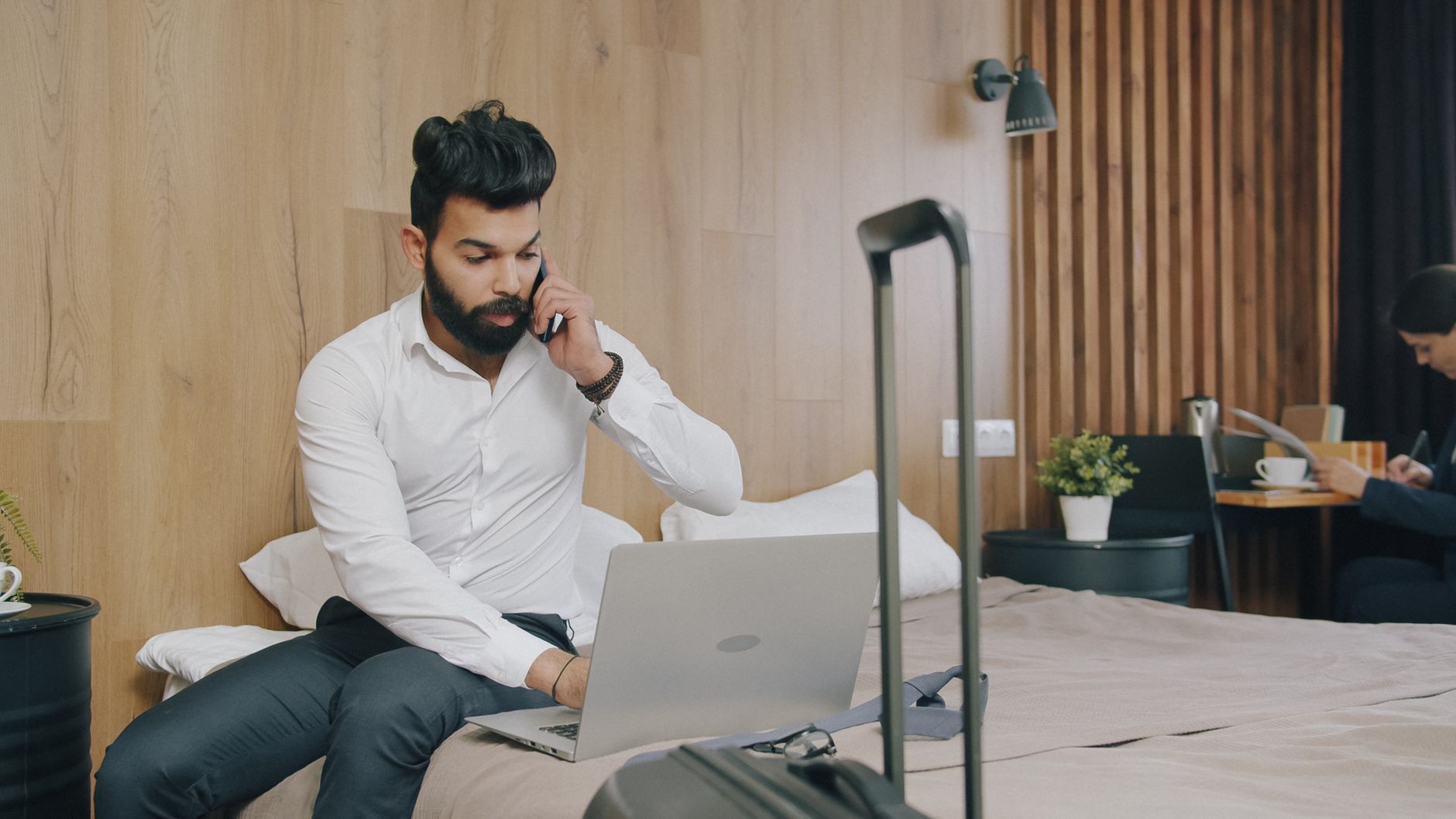
A hotel on a business trip should be treated as an executive recovery chamber, not just a storage room for luggage. Staying thirty kilometres outside a business district to save twenty percent on room rates frequently incurs two hours of frustrating peak-hour traffic each day. That wasted time drains mental energy that could otherwise be spent preparing for presentations or resting.
When vetting properties using our dedicated hotel search and booking, corporate travel managers should inspect specific sleep-quality factors: acoustic insulation, effective blackout curtains, individual climate control, and location relative to the meeting venue. A hotel located within walking distance of your primary appointment eliminates transit anxiety entirely and offers the flexibility to return to your room for a quick mid-afternoon reset.
Upon arrival, take immediate control of your room environment. Set the thermostat between 18 and 20 degrees Celsius, which sleep researchers identify as the optimal range for sustained slow-wave sleep. Unplug humming electronic displays, inspect the pillow options, and request a room situated away from elevators and service stairwells to protect against midnight interruptions.
In-Transit Biohacks: Managing Physiology at 35,000 Feet
Aircraft cabins typically maintain humidity levels below twenty percent—drier than most deserts. Mild dehydration thickens the blood, slows metabolic processes, and dramatically worsens headaches and mental grogginess. As a standard protocol, consume 250 millilitres of water for every hour spent in the air, avoiding sugary sodas and dehydrating cocktails that disrupt sleep architecture.
Caffeine strategy is another make-or-break variable. Relying on continuous coffee service during an afternoon flight may keep your eyes open, but caffeine has an average quarter-life of up to twelve hours. A double espresso consumed at 16:00 in transit will still circulate in your bloodstream at midnight, preventing your brain from entering deep, restorative stage-three sleep. Cut off caffeine intake at least eight hours before your intended bedtime at the arrival destination.
Combat physical stagnation during flight by wearing medical-grade compression socks (15-20 mmHg), especially on journeys exceeding four hours. Periodic calf raises, seated hamstring stretches, and brief walks down the aisle stimulate venous return, mitigate leg swelling, and prevent that heavy, leaden feeling that often follows a long journey.
Proactive Corporate Policies to Curtail Business Travel Fatigue
Individual discipline cannot compensate for an unreasonable corporate travel policy. Modern human resources and procurement teams must build travel fatigue mitigation directly into company guidelines. Forward-thinking organisations establish clear thresholds: flights exceeding six hours automatically qualify for premium cabin seating, and employees crossing more than three time zones are granted a mandatory half-day rest buffer before their first business engagement.
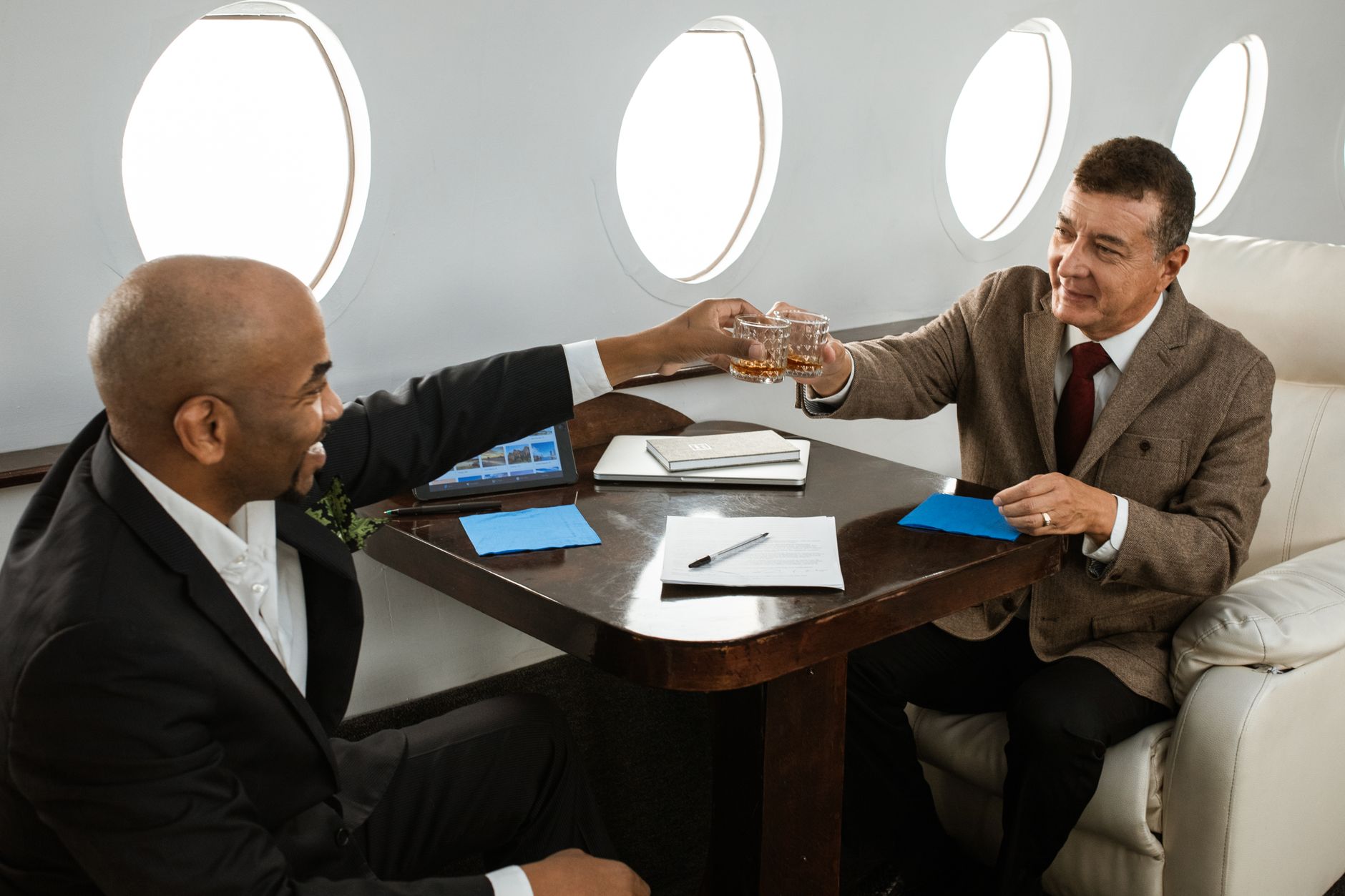
Furthermore, forward-looking companies leverage loyalty and perk structures to reward the road warriors who carry the brand overseas. Enrolling company travellers in structured incentive systems like our Labpoint bonus program ensures that frequent travel builds tangible value that can be redeemed for upgrades, lounge access, and future comfort enhancements.
Expense management should also embrace wellness-oriented flexibility. Providing a per diem that allows healthy dining options rather than forcing employees toward fast food, or reimbursing single-day gym passes and hotel laundry services during multi-city itineraries, fundamentally transforms the traveller experience. When employees feel that their physical well-being is prioritised, corporate morale and retention skyrocket.
Circadian Re-alignment and Nutrition on the Road
Light exposure is the single most powerful tool for resetting your internal master clock. As soon as you land, seek natural outdoor sunlight. If you travel west (for instance, flying from Baku to London or Paris), you need afternoon sunlight to delay melatonin release and keep you awake until local bedtime. If travelling east toward Central Asia or the Far East, early morning sunlight accelerates phase advance, helping you adjust to an earlier schedule.
Nutrition serves as a secondary circadian anchor. The peripheral clocks in your digestive organs take strong cues from food timing. Fasting during overnight flights and consuming a protein-rich meal at local breakfast time upon arrival sends an unambiguous signal to your biological clock that the day has officially begun. Avoid heavy, carb-heavy room-service meals late at night, which elevate resting heart rate and fragment nocturnal sleep.
Pack a travel-ready supplement kit to assist natural regulation. Magnesium glycinate taken thirty minutes before bed supports muscular relaxation and central nervous system calming without the morning grogginess associated with pharmaceutical sedatives. Pair this with a high-grade eye mask and silicone earplugs to insulate against unpredictable hotel environments.
Partnering with a Corporate Travel Agency for Seamless Trips
Managing flight schedules, hotel cancellations, visa requirements, and transit transfers while running a business division is an exhausting recipe for administrative overload. When an executive or their executive assistant attempts to juggle fragmented self-booking platforms during flight disruptions, stress levels multiply exponentially.
Working with a dedicated corporate travel agency transfers that logistical burden onto experienced professionals. At Travellab, our business travel specialists monitor route conditions in real time, secure fast-track airport arrangements, rebook delayed segments before passengers even disembark, and negotiate corporate hotel rates that include guaranteed early check-in. This logistical safety net preserves mental bandwidth, allowing your executives to concentrate solely on strategic outcomes.
Mastering the Art of Sustainable Executive Mobility
High-performing business travellers do not treat exhaustion as a badge of honor. They recognise that physical vitality and mental clarity are finite corporate assets that require deliberate protection. By combining smart flight itineraries, sleep-optimised accommodations, disciplined biological habits, and progressive corporate policies, business travel shifts from an exhausting ordeal into a competitive corporate advantage.
Whether you are organising an international delegation, orchestrating a complex MICE gathering, or refining your company's corporate travel policy for the upcoming business cycle, professional travel management makes all the difference. Reach out to Travellab today to streamline your corporate journeys, eliminate travel friction, and keep your teams performing at their absolute highest level across the globe.