Caucasus tourism cooperation is transforming how international voyagers experience this historic crossroads between Europe and Asia. For decades, international globetrotters treated the South Caucasus as a patchwork of isolated stops, booking separate excursions for each individual country and braving fragmented border logistics. Today, a unified regional outlook is taking hold, encouraging travelers to view the Caspian-to-Black-Sea corridor as a single, harmonious travel ecosystem rich in biodiversity, historical architecture, and ancient hospitality traditions.
For travelers departing from or arriving into Baku, this integrated strategy offers tangible advantages. Rather than wasting time coordinating disparate transit legs, travelers can now navigate streamlined routes that combine Azerbaijan's striking contrast of futuristic skyline and ancient caravanserai with the alpine landscapes and historic monasteries of the wider neighborhood. As an agency rooted in Baku, Travellab witnesses daily how cross-border cooperation translates into lower transit friction, more reliable regional tours, and far richer cultural immersion.
The Evolution of Caucasus Tourism Cooperation
The historical foundations of the South Caucasus have always revolved around interconnection. Ancient trading branches of the Silk Road wound their way through Baku, Sheki, and onward through the mountain passes into Georgia and beyond, carrying spices, raw silk, and craft traditions. In contemporary travel management, Caucasus tourism cooperation represents a return to these foundational routes, reimagined with twentieth-first-century infrastructure and professional coordination.
Tourism boards, regional operators, and hospitality federations across the Caucasus increasingly coordinate marketing initiatives, joint cultural corridors, and cross-border trekking paths. By working collaboratively rather than competing strictly for market share, regional stakeholders expand the total appeal of the Caucasus. Travelers from North America, East Asia, and Western Europe who might hesitate to cross the globe for a three-day city break readily commit to a comprehensive ten-to-fourteen-day trans-Caucasus journey.
This collaborative framework also fosters vital knowledge sharing among industry professionals. Standards in alpine guiding, heritage preservation, and sustainable hospitality are being shared across borders, ensuring that whether a guest checks into a boutique hotel along Baku's Nizami Street or a rustic lodge in the high mountain valleys, they encounter professional service and transparent pricing.
Streamlined Transit and Airport Infrastructure Hubs
A successful multi-destination region relies heavily on aviation efficiency. Heydar Aliyev International Airport (GYD) in Baku has emerged as a cornerstone of this regional connectivity, serving as a primary entry hub for intercontinental flights. With modern biometric screening, streamlined baggage transfers, and rapid digital passport processing, GYD allows travelers to land in the Caucasus and seamlessly connect onward or begin overland routes without airport bottlenecks.
For self-guided explorers looking to map out regional flights between Baku, Tbilisi, and neighboring cities, finding well-timed departure slots is crucial to avoid lost vacation days. You can easily compare scheduling options, regional flight frequencies, and direct routes through our dedicated flight search to keep your travel days brief and stress-free.
Beyond air travel, regional cooperation focuses on modernizing highway networks and passenger rail links. Upgrades to cross-country transit corridors have noticeably shaved travel hours off traditional road transfers between Baku and northwest Azerbaijan, creating comfortable, scenic alternatives to regional flying that allow travelers to watch the scenery shift from semi-arid plains to emerald vineyards.
Multi-Destination Itineraries: Caspian Coast to Alpine Peaks
The greatest beneficiary of regional synergy is the traveler's itinerary. A properly designed trans-Caucasus journey eliminates backtracking and maximizes thematic storytelling. For example, an itinerary can begin on the shores of the Caspian Sea in Baku, uncovering the UNESCO-inscribed Walled City of Icherisheher and the Zoroastrian fire temples, before shifting westward through the craft hubs of Lahij and Sheki.
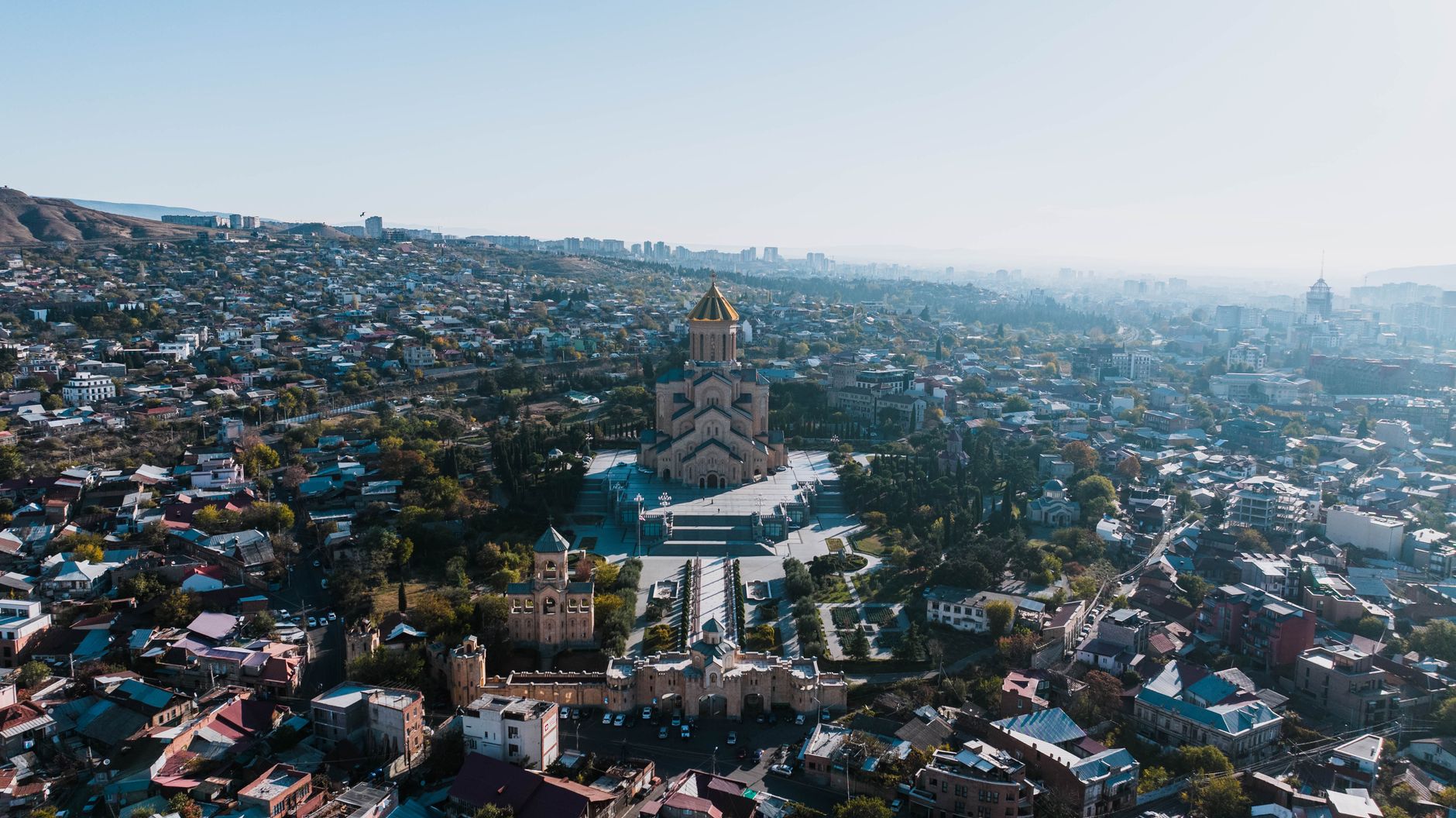
From Sheki, travelers cross seamlessly into Kakheti, Georgia's storied viticultural valley, before scaling the dramatic Military Highway toward Mount Kazbek. Such combined itineraries offer immense sensory variety: within a matter of days, one experiences Caspian seafood and mugam folk music, followed by Georgian polyphonic singing and mountain-style khinkali. The transition feels organic, united by the shared warmth and pride of Caucasian hospitality.
To remove the headache of booking multiple national drivers, language barriers, and localized vehicle permits, many voyagers choose pre-arranged guided group tours. These expertly managed expeditions ensure a unified itinerary, professional bilingual guides, and verified border crossings, keeping group dynamics lively and completely hassle-free.
Digital Modernization Across Regional Hospitality
A quiet revolution in South Caucasus tourism is the regional adoption of digital travel standards. Across Azerbaijan and neighboring destinations, modern hospitality providers have phased out cumbersome paper registration workflows. Hotel check-in processes that once required manual passport photocopies and lengthy administrative forms have largely transitioned to instant optical character recognition scanners and pre-arrival mobile check-ins.
Payment infrastructure has kept pace. Cash-only requirements are rapidly diminishing outside the most remote shepherds' settlements; contactless payments, digital wallets, and universal card terminals are now standard throughout urban dining, boutique retail, and national park visitor centers. Travelers carrying Azerbaijani manat (AZN) or converting foreign currency find transparent banking apps and ubiquitous ATMs, eliminating the historic anxiety of carrying large stacks of physical cash on long journeys.
Furthermore, unified regional eSIM packages allow visitors to cross from Azerbaijan into neighboring territories without purchasing new SIM cards at every boundary. Staying continuously connected enables effortless navigation, live translation, and instant access to digital boarding passes throughout the trip.
Sustainable Tourism and Fragile Mountain Ecosystems
As visitor numbers steadily rise, Caucasus tourism cooperation plays an essential role in ecological stewardship. The Greater Caucasus range represents one of the world's most critical biological hotspots, hosting endemic flora and rare wildlife such as the Caucasian leopard, brown bear, and East Caucasian tur. Unregulated, fragmented mass tourism risks degrading delicate alpine tundra and ancient forest canopies.
Regional cooperation addresses this balance through standardized trail marking, waste management protocols, and leave-no-trace educational campaigns across protected national parks like Shahdag, Goygol, and Borjomi-Kharagauli. Trans-Caucasian trail systems are systematically developed to guide trekking enthusiasts along designated corridors, preventing trail erosion while directing direct economic support to rural village communities.
Community-based tourism initiatives are an integral pillar of this sustainable shift. Instead of confining tourism revenue to multinational hotel chains, regional packages increasingly incorporate family-run guesthouses, artisanal carpet weaving workshops, and organic mountain apiaries. This approach preserves fragile rural heritage while ensuring local families benefit directly from regional visitor flows.

Navigating Visas and Cross-Border Formalities
While regional cooperation continues to streamline transit, travelers must remember that individual countries in the Caucasus maintain their own distinct border regulations, immigration policies, and entry permissions. Understanding these nuances well before packing your bags is critical to avoiding stressful delays at land borders or airport gates.
Azerbaijan's ASAN Visa system provides an outstanding model of digital immigration, allowing citizens of roughly one hundred countries to obtain an electronic visa in a matter of hours. However, combining multiple destinations requires checking whether your passport allows visa-free entry, requires an eVisa, or demands traditional consular processing for each jurisdiction along the route.
This is where relying on a dedicated travel agency makes an invaluable difference. Rather than sorting through conflicting forum posts and outdated travel advisories, you can take advantage of professional visa facilitation services to secure all necessary documentation, verify passport validity windows, and ensure smooth transit across every checkpoint.
Seasonality: Choosing the Ideal Caucasus Travel Window
A crucial aspect of regional travel planning is understanding the varied microclimates that define the Caucasus. Because the terrain ranges from subtropical lowlands along the Caspian and Black Seas to subalpine meadows and perpetual snowfields above 3,000 meters, timing your journey changes the experience completely.
Late spring (May to June) and early autumn (September to October) represent the quintessential shoulder seasons for multi-country discovery. During these months, Baku enjoys pleasant temperatures around 22°C to 26°C with gentle sea breezes, while mountain passes are free of snow, making walking tours through historic towns like Sheki, Sighnaghi, and Dilijan extraordinarily comfortable. Autumn also brings the vibrant energy of the seasonal harvest, from pomegranate picking in Azerbaijan to grape pressing in neighboring valleys.
Winter opens a distinct chapter driven by premier alpine resorts like Shahdag and Tufandag in Azerbaijan, alongside Gudauri in Georgia. Regional ski passes and combined winter packages are increasingly favored by snow sports enthusiasts who appreciate modern lift infrastructure, uncrowded slopes, and luxury thermal spa resorts at a fraction of the cost found in the Western Alps.
Maximizing Caucasus Tourism Cooperation for Your Next Journey
The momentum behind Caucasus tourism cooperation is turning what used to be a complicated, logistics-heavy expedition into one of the most rewarding adventures in global travel. When cultural organizations, aviation hubs, and regional tour planners work in concert, visitors spend less energy deciphering schedules and far more time savoring the breathtaking wonders of the Caucasus.
Whether you are a solo traveler seeking remote mountain treks, a family searching for safe cultural discovery, or a corporate group planning an unforgettable regional retreat, working with a local specialist based right here in Baku guarantees an authentic, finely tuned journey. Explore our full catalog of curated tour packages to unlock the best of the Caucasus, crafted with the personalized care and deep local knowledge that only Travellab provides.