Navigating airline baggage rules can often feel like solving a complex puzzle, especially when every carrier seems to enforce a different set of dimensions and weight limits. Whether you are catching a quick regional hop or embarking on a long-haul journey departing from Heydar Aliyev International Airport in Baku (GYD), understanding these regulations beforehand is the single best way to avoid stressful and expensive surprise fees at the gate. As an experienced travel agency, our team at Travellab frequently assists passengers who get caught off guard by strict low-cost carrier policies or misunderstood fare classes. If you are currently planning your next getaway, you can easily compare various flight options and carrier policies using our comprehensive flight search tool to see what is included in your ticket price.
Understanding Cabin Baggage vs. Checked Baggage Limits
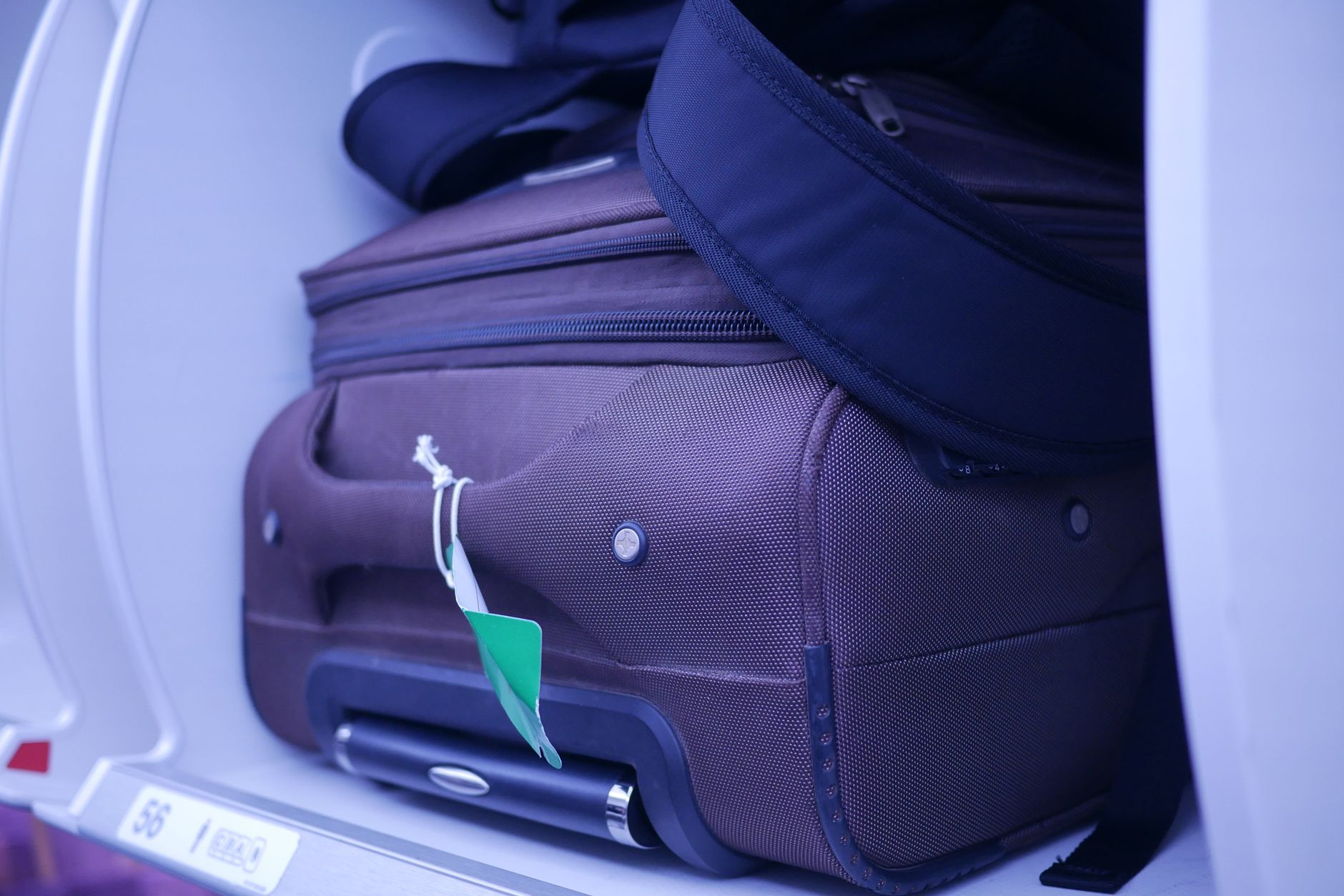
The fundamental divide in aviation luggage policy lies between what you carry into the cabin and what you surrender at the check-in desk to travel in the aircraft hold. Cabin baggage typically includes a small personal item (like a backpack, laptop bag, or handbag that fits under the seat ahead of you) and, depending on your fare, a larger trolley bag meant for the overhead locker. Weight limits for carry-on items generally range from 7 to 10 kilograms, though some budget airlines are notoriously strict and will weigh both the bag and your personal item together. Checked baggage, on the other hand, usually allows for heavier and bulkier suitcases, with standard weight thresholds traditionally set at 23 kilograms for economy passengers and 32 kilograms for business class.
Beyond weight, linear dimensions (length plus width plus height) dictate whether your bag travels for free or incurs oversized luggage penalties. Standard overhead trolley dimensions usually hover around 55x40x20 cm, but measuring your bag with a tape measure before leaving home saves you from frantic repack sessions on the terminal floor. If you suspect your belongings might exceed these thresholds, it is almost always cheaper to pre-purchase additional baggage allowance online through your airline's portal hours before departure rather than paying the punitive walk-up rates at the airport counter.
Decoding Different Fare Classes and Luggage Allowances
Airlines structure their ticketing tiers specifically around what is bundled into the fare, and baggage is the primary differentiator. Basic economy or light tickets often include only a small under-seat backpack, meaning any overhead cabin bag or checked suitcase requires an ancillary fee. Stepping up to a standard economy fare typically restores your standard overhead cabin bag allowance, while flex or premium economy tickets usually bundle at least one piece of checked luggage into the total cost.
Business class passengers enjoy the most generous allocations, frequently permitted two checked bags weighing up to 32 kilograms each, alongside dual cabin items. However, assuming that all airlines follow the same blueprint is a recipe for trouble. Regional carriers operating smaller aircraft often enforce stricter weight caps due to strict structural load constraints, regardless of whether you hold an economy or business ticket. When you book your travel arrangements through our agency, our specialists carefully review these fine print details so you know exactly what is included in your tours or standalone flight booking.
Navigating Liquid Restrictions and Prohibited Items
Security checkpoints enforce universal safety regulations regarding what can pass through screening, and failing to adhere to these rules results in the immediate confiscation of your items. The legendary 100ml liquid rule remains a global standard for cabin baggage: all liquids, gels, pastes, and aerosols must fit inside a single transparent, resealable plastic bag measuring approximately 20x20 cm, with individual containers capped at 100 milliliters. Items exceeding this volume must go into your checked luggage.
Prohibited items in the cabin also include sharp objects, tools, and sporting equipment that could be construed as weapons. Conversely, checked luggage has its own strict blacklist. Lithium-ion batteries, power banks, and electronic cigarettes are strictly forbidden in the aircraft hold due to fire hazards; they must remain in your possession inside your carry-on bag. Flammable liquids, compressed gas cylinders, and fireworks are banned entirely from commercial aircraft. Always cross-check your packing list against international aviation safety guidelines to ensure a smooth security clearance.
Tips for Packing Smart and Weighing Bags at Home
Mastering the art of packing light transforms the airport experience from a logistical nightmare into a breeze. Invest in a portable luggage scale—a small, inexpensive handheld device that hooks onto your suitcase handle and displays the exact weight in seconds. Weighing your bags before you leave for GYD or any other departure hub eliminates guesswork and prevents frantic clothing redistributions right at the check-in desk.
Utilize packing cubes to compress garments, roll instead of fold your clothes to minimize wrinkles and save space, and wear your bulkiest items (like heavy coats, boots, or thick sweaters) during the flight. Place heavy items near the wheels of your suitcase rather than the handle to maintain balance and prevent the bag from tipping over. If you are traveling as a couple or family, distribute shared items across multiple suitcases so that if one bag is delayed, nobody is left completely without clothing.
Handling Special Luggage: Sports Gear, Musical Instruments, and Pets

Standard luggage policies rarely apply when you are traveling with specialized gear such as golf clubs, skis, surfboards, musical instruments, or live animals. Most airlines classify sports equipment and large musical instruments as special baggage, which usually incurs a fixed handling fee rather than standard excess weight charges. Because cargo hold space for oversized items is limited on many aircraft, you must notify the airline well in advance to secure formal pre-approval.
Traveling with pets introduces an even higher layer of regulatory complexity. Depending on the airline and your destination country, animals may travel in the cabin with you inside an approved soft carrier, or they must fly in the climate-controlled cargo hold within a rigid, IATA-compliant kennel. Furthermore, international pet travel requires comprehensive veterinary health certificates, microchipping, and specific destination import permits. If you need assistance navigating complex international travel requirements, our team can help coordinate every detail, alongside arranging your viza documents to ensure seamless entry into your destination.
What to Do If Your Luggage Is Lost or Delayed
Despite meticulous planning, baggage mishandling remains an unfortunate reality of modern air travel. If your checked suitcase fails to appear on the carousel at your destination, do not leave the baggage reclaim hall. Immediately locate the airline's ground handling desk or Lost and Found (Property Irregularity Report) counter to file an official report. You will need your boarding pass and the physical baggage claim sticker that was attached to your passport or ticket folder at check-in.
Keep all receipts for essential emergency purchases—such as toiletries and basic change of clothing—while you wait for your bag to be located and delivered to your hotel or home address. Most major airlines provide a daily allowance for necessities during the delay period. Comprehensive travel insurance policies also cover lost or delayed luggage, providing an essential financial safety net. For a truly worry-free vacation experience where every logistical detail is managed by professionals, explore our curated tours?category=Avropa packages and let us take care of the heavy lifting.
Plan Your Next Journey with Confidence
Navigating airline baggage rules does not have to be an overwhelming ordeal. By familiarizing yourself with carrier limitations, weighing your bags in advance, and packing strategically, you can glide through airport security and check-in desks with absolute peace of mind. At Travellab, we believe that travel should be inspiring and effortless from the moment you start planning. Whether you need assistance booking flights, securing hotel accommodations, or organizing a customized itinerary, our dedicated travel agency is here to support you every step of the way. Reach out to our team today and let us help you plan your next unforgettable adventure.